
While President Donald Trump’s $200 million ballroom project gains viral attention from mainstream media, they seem to forget about the White House’s long history of renovations.
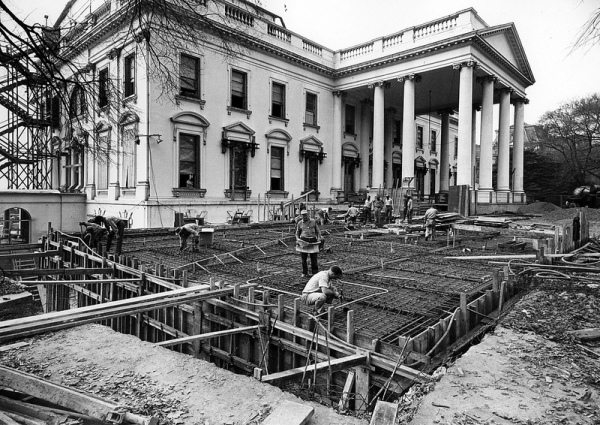
The White House Historical Association has set the record straight:
“Since the last major renovation by Harry Truman, every president and first lady has made changes inside the White House but in very different ways.”
Under the oversight of President George Washington, construction of the White House began in 1792, based on a classical design by Irish architect James Hoban. Completed in 1800, it welcomed President John Adams as its first resident.
The War of 1812 saw British forces burn down the Capitol, the White House, and a few other federal buildings in 1814, leaving them in ruins.
Hoban again led the rebuilding effort, finishing in 1817. He later added the South Portico in 1824 and the North Portico in 1829 with the design help of Benjamin Henry Latrobe.
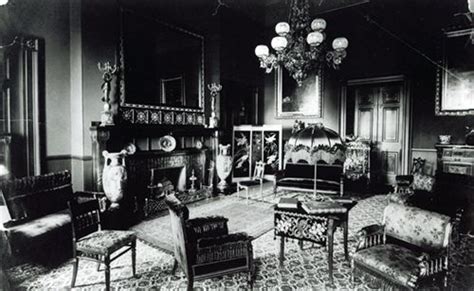
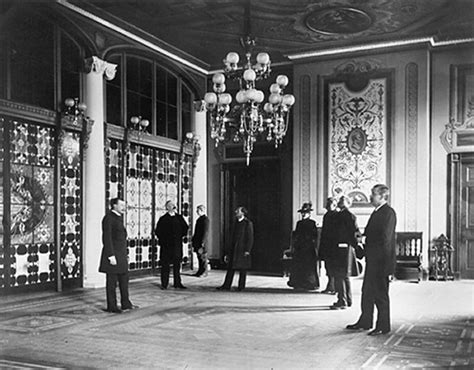
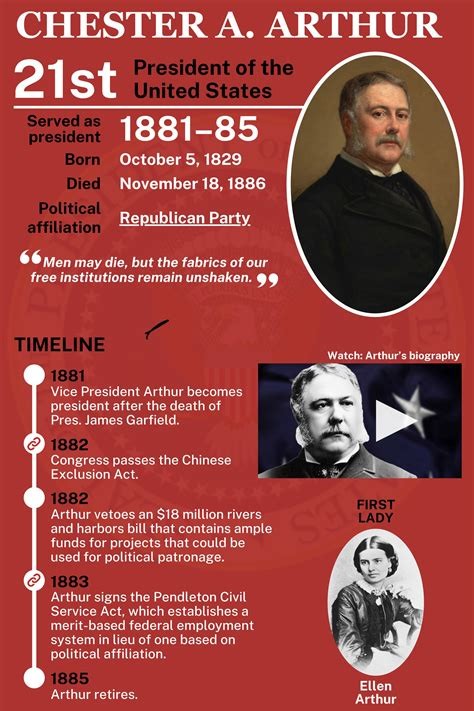
Chester Arthur refused to move into the White House when he saw how ragged and worn it was inside. He brought in a Victorian aesthetic to the White House, installing a lavish Tiffany screen in the Entrance Hall.
To fund the changes, Arthur auctioned off much of the existing furniture, leaving his bold mark on the interior.
When my son Mark ventured on a backpacking trip in Ireland in 2009, he asked about our ancestors from the Arthur family.
My maternal grandfather, Bassett Arthur, was born in Coleman, Texas, but his ancestral roots showed our Arthur family were from Ireland.
Mark not only met many Arthur family members, but he was invited to stay at one of their homes for a few days.
They were very proud that an Arthur became President of the United States.
When it was time to bid them farewell, the matriarch of that large family, with tears in her eyes, gave a warm hug goodbye. She prepared sandwiches and other treats for him to take in his backpack.
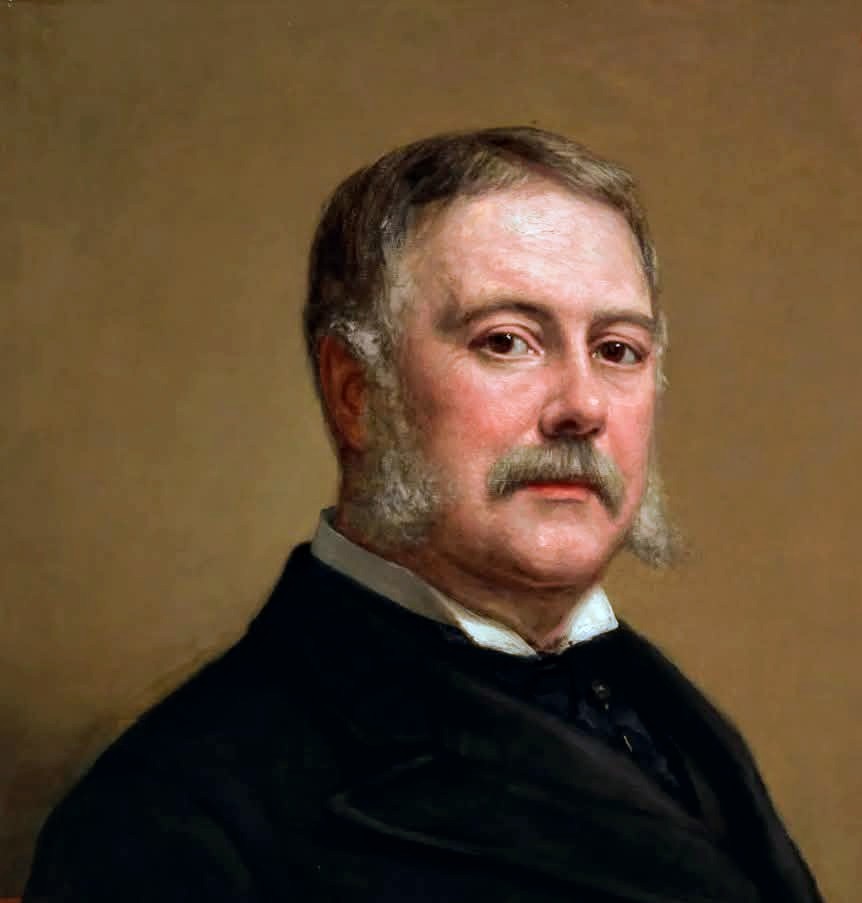
Chester A. Arthur entered the White House as a bit of a joke to newspapers and some politicians, but left it as a man with a conscience.
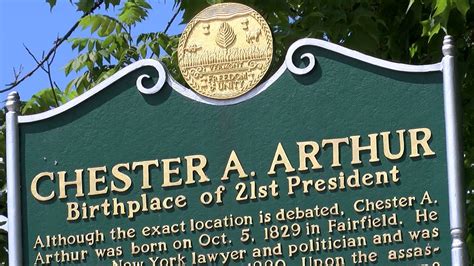
He was born on October 5, 1829, in North Fairfield, Vermont, near the Canadian border.
His family background was with a rich heritage that merged American and Irish roots.
His father, William Arthur, was a Baptist minister who immigrated in 1822 from County Antrim, Ireland, while his mother, Malvina Stone, was a native Vermonter.
The Arthur family was part of a larger community of New Englanders who valued education and civic engagement, which would later influence Chester’s own beliefs and aspirations.
His father was an itinerant schoolteacher, Baptist minister, and the co-founder of the New York Anti-Slavery Society, who moved his family frequently where he could find work in Vermont and New York.
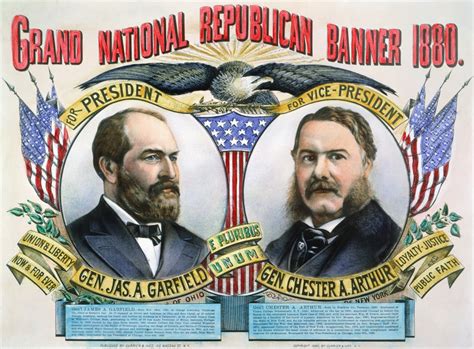
Young Chester Arthur received his first schooling at home and in various local schools as his family moved. In 1844, he studied for one year at the Lyceum School in Schenectady, N.Y., before enrolling as a sophomore at Union College in the same town. Reportedly not a diligent student, Arthur still excelled in the classroom and graduated with honors in 1848.
Upon receiving his college degree, Arthur began teaching school as he prepared for a legal career in his free time. In 1853, he moved to New York City, where he interned and studied law at the office of Erastus D. Culver. A year later, Arthur passed his examinations and joined the New York Bar.
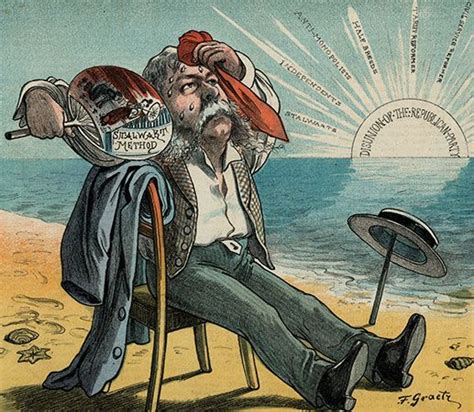
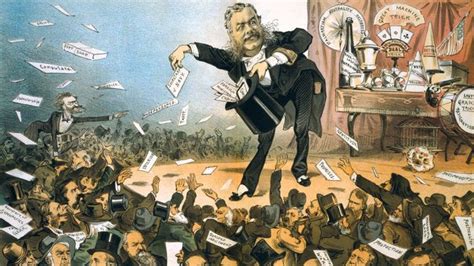
When he became president in 1881, almost no one took him seriously. He had been a loyal machine politician from New York, a man who owed his career to corruption and favors. His nickname was “The Gentleman Boss.”
Even his own party thought he would spend his presidency handing out jobs and protecting the spoils system that had made him rich.
Then something unexpected happened. Power changed him — but not the way people feared. It humbled him.
The turning point came when President James Garfield, his running mate, was shot by a man who claimed he deserved a government job.
The country blamed Arthur. Crowds shouted “murderer” outside his home. For months, he lived under guard, haunted by guilt.
When Garfield died and Arthur took office, he was a man already broken by public hatred.
Instead of retreating into corruption, he turned against it. He shocked everyone by signing the Pendleton Civil Service Reform Act, which ended the old patronage system and required government jobs to be earned by merit. His friends called it betrayal. History called it courage.
Arthur also carried a private battle. Not long after taking office, he learned he had a fatal kidney disease. He kept it secret, working through pain and exhaustion while quietly preparing for the end.
“Life is not worth living,” he wrote in one letter, “if one must lose self-respect.”
By the time he left office, the same newspapers that mocked him wrote that he had restored dignity to the presidency. He refused to seek another term. A year later, he was gone.
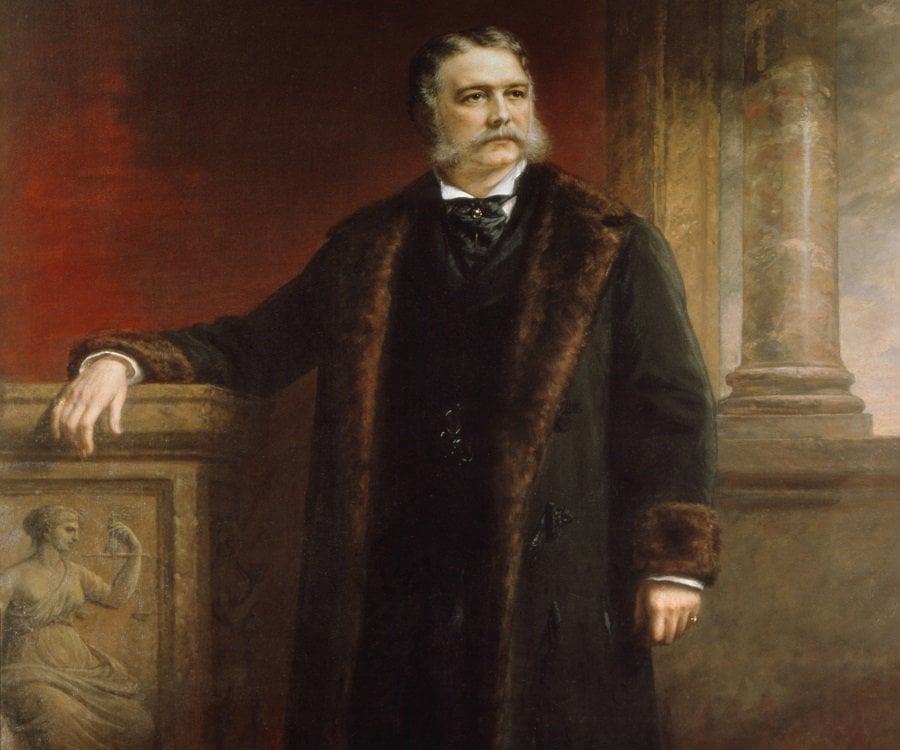
Chester A. Arthur’s story isn’t about power. It’s about awakening — a man who inherited a broken system and found the courage to fix it, even as it cost him everything.
He came into office expecting to serve his party. He left having served his soul.
To receive free email notification, when we post new articles like this, sign up below. Clever Journeys does & will not sell or share your information with anyone.
IN GOD WE TRUST


Thanks for supporting independent true journalism with a small tip. Dodie & Jack

CLICK HERE for GREEN PASTURE BENEFITS



Use Code CLEVER10 for a 10% discount on Green Pasture products today!

☆☆☆☆☆


☆☆☆☆☆



Wait a second. I thought we were supposed to forget that Obama spent almost $400m on a basketball court and a conduit full of wires. I thought that Jackie Kennedy’s remodelling of the West Wing was off the table. I thought that President Truman’s efforts to stabilize the old building were not to be discussed.
LikeLiked by 2 people
Wow. That is a great report!
LikeLiked by 4 people
I know a hundred percent more about Chester A. Arthur than I did prior to reading your post. Thanks, Jack!
LikeLiked by 2 people
Wow! The most I knew about Chester Arthur was that he did a lot of restoration on the Whitehouse, and came to my mind first when the media started all this crabbing about DJT’s wonderful ballroom. I had no idea he was even of Irish stock or from Vermont! And what a life story. A humble man just doing what he was meant to do. And you are related!
I have Morrills on my Mom’s side, and one of them, Lot Myrick Morrill, was Secretary of the Treasury, among other things. He fought to keep the gold standard, (didn’t work) and always fought against slavery, He was from Maine. He went against the grain. I wonder if he and Arthur knew each other?
Love this bio, thanks.
LikeLiked by 1 person