
Even Lassie Rode It
In the early 1900s, riders would embark on a thrilling journey down the Broughton Lumber Flume, located at Hood River Junction along the Columbia River, which straddles the border between Washington and Oregon.
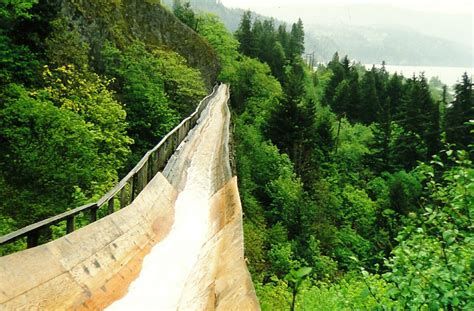
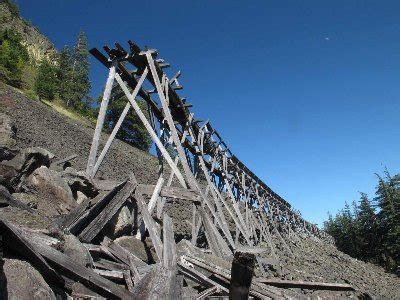


The flume was a key part of the region’s logging operations, transporting cants (rough sawn logs) from the Little Salmon River nine miles to Hood, Washington and the Columbia River.
The experience of riding the flume was both an essential part of the lumber industry and an exhilarating adventure, as passengers glided over miles of wooden channels and steep drops.

The Broughton Lumber Flume was a testament to the ingenuity of early 20th Century logging technology, offering a unique mode of transportation that allowed large quantities of timber to be moved efficiently.
The flume itself, stretching across the rugged landscape, provided a vital link between the logging camps and the Columbia River, where the timber would be loaded onto boats for transport to other locations.
The journey down the flume, which ran through scenic terrain, was as much a laborious task as it was an unforgettable ride for those involved.
In its heydays, the flume carried up to 150,000 board feet of timber per day, and between 40 to 50 million board feet of lumber per year.
It continued operating until 1986, although by then, the lumber company had a railroad built for transporting log to the primary mill.

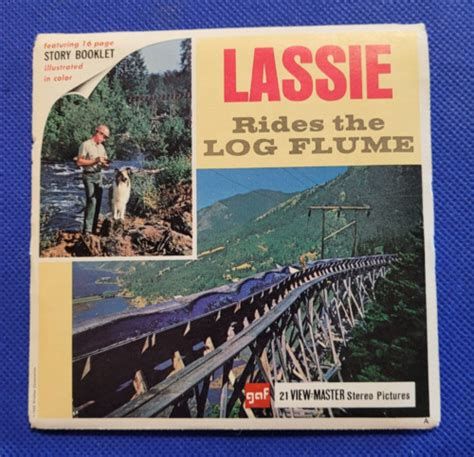
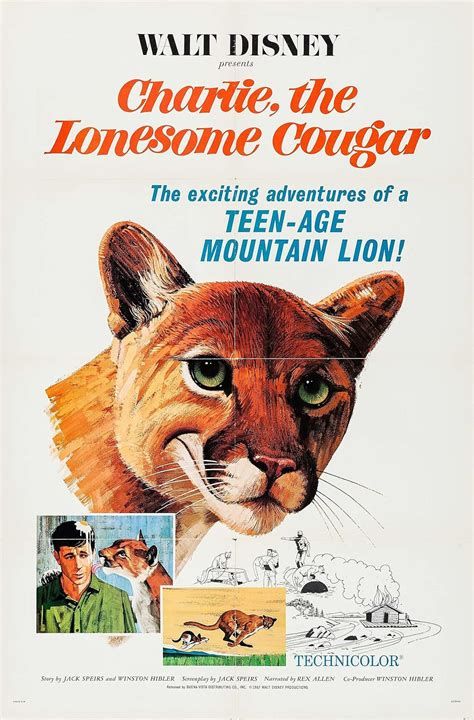
Being the only functioning log flume, Broughton Flume had become a popular tourist attraction and even appeared in a couple of television shows such as “Lassie” and in a Walt Disney film, “Charlie the Lonesome Cougar.” Sections of the old flume can still be seen today.

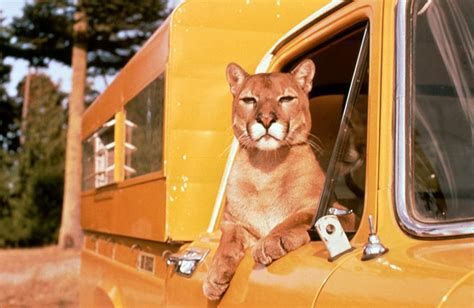
By the mid-20th century, the Broughton Lumber Flume had fallen into disuse as more modern methods of transportation and logging took hold.
The last of the flume operations were phased out, and the once-bustling site at Hood River Junction became a quiet relic of the past.

However, the history of the flume and its role in the region’s logging industry remain a significant part of the local heritage, evoking memories of a time when the Columbia River served as a critical route for timber and other goods.


☆☆☆☆☆
To receive free email notification when we post new articles like this, sign up below. Clever Journeys does & will not sell or share your information with anyone.
☆☆☆☆☆
IN GOD WE TRUST

Thanks for supporting independent true journalism with a small tip. Dodie & Jack

Dodie & Jack Dennis are regular customers of Green Pasture. Highly recommended.
Green Pasture Here!


Use Code CLEVER10 for a 10% discount on other Green Pasture products today!


Get Your Natural Vitamins A & D from the Sea!
☆☆☆☆☆

☆☆☆☆☆

By award-winning Texas author Cynthia Leal Massey.

See details here!
☆☆☆☆☆


 Clever Journeys
Wow I never knew about the logging flume👍👍👍😁
LikeLiked by 2 people
I wanted to make sure Hollywood didn’t inhumanely toss Lassie down the flume. They didn’t, but it was a rough ride! : https://youtu.be/SJ2PwCCp1fM
LikeLiked by 1 person
I wanted to make sure Hollywood didn’t just toss Lassie down the flume. They didn’t, but it was a rough ride! : https://youtu.be/SJ2PwCCp1fM
LikeLiked by 1 person
I think there is a vague memory of that Lassie episode floating in my brain; must say that Charlie the Cougar looks a little tense on his log…
The flume is so different than the way that New England floated its logs downstream. Up here, the lumber was dumped into the rivers. On the Androscoggin, way up in Northern New Hampshire, you can still see the little islands they built so men with poles could prod the logs, and keep them from jamming up. Our rivers are much smaller than the ones out west, and not nearly as deep, generally.
LikeLiked by 1 person
Interesting.
LikeLiked by 1 person