Jack Hays & the Comanche Ambush Battle at Bandera Pass
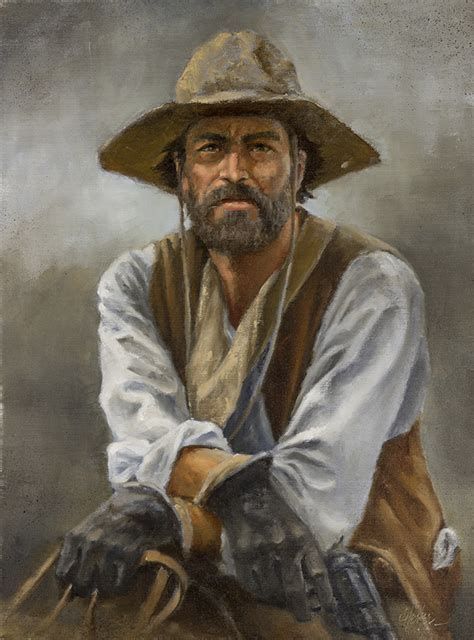
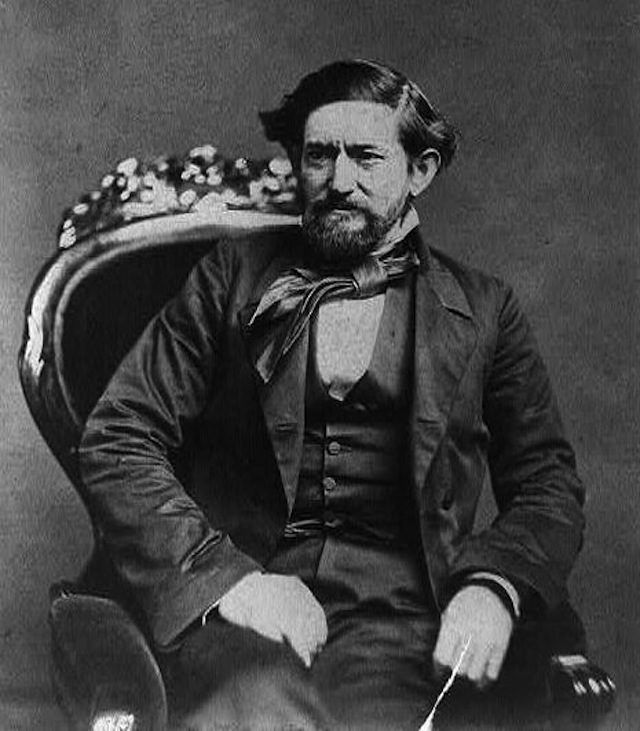
Jack Coffee Hays
Near our home, we often travel through Bandera Pass on our way to Kerrville, Camp Verde or Centerpoint, Texas.
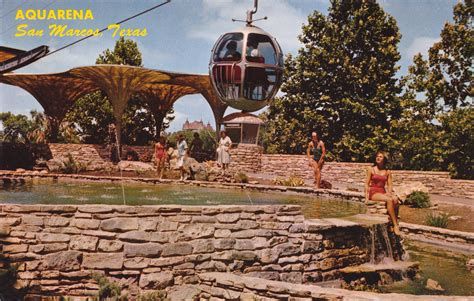
Since my student days at Texas State University in San Marcos, I became interested in a historical Old West legend, Jack C. Hays. His house was still standing inside a local amusement park, Aquarena Springs.
Skyride
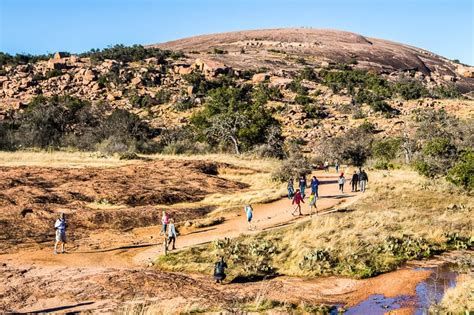
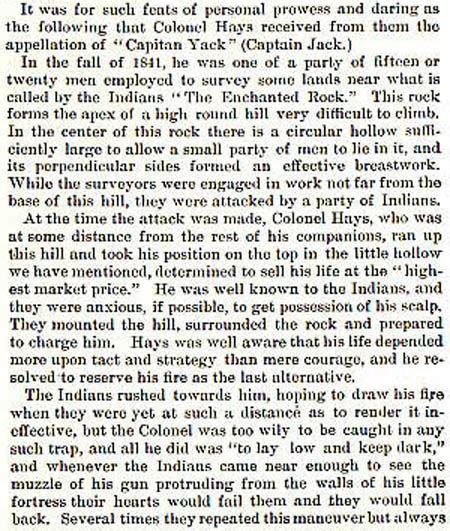
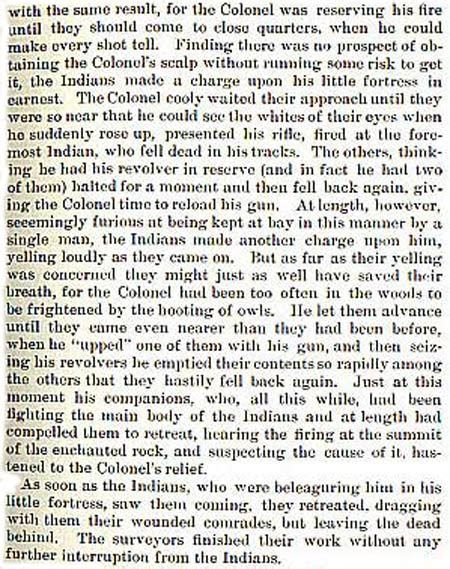
Enchanted Rock
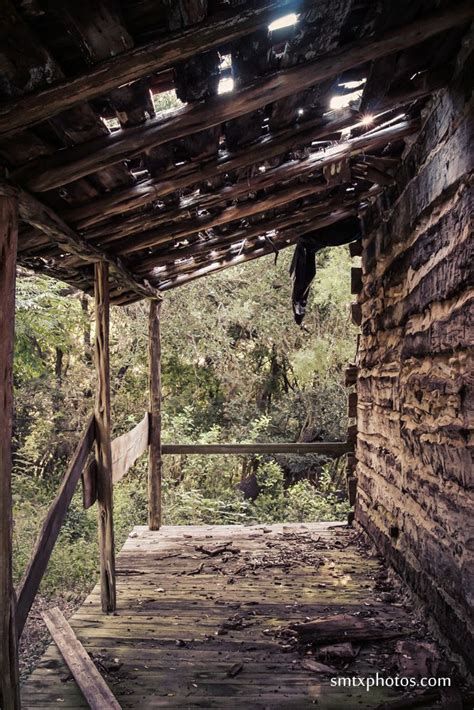
One would take the skyride over Clear Springs Lake to reach the trails that led to Hays’ old cabin.
Near Fredericksburg, I would regulary join fellow students to a hike up Enchanted Rock, a pink granite mountain dome.
It has been at least 20 years since I climbed up there, but my favorite spot was a historical plaque that told the story of an encounter with Indians who were climbing up to scalp him. I often wonder if the plaque is still there, but here is a description I found in an old book:
Jack C. Hays’ father was a high ranking American officer who had fought alongside Andrew Jackson at the Battle of New Orleans in the War of 1812, but both of his parents died of Yellow Fever when Jack was just 15 years old.
Jack possessed natural leadership skills and rose quickly to the rank of captain.
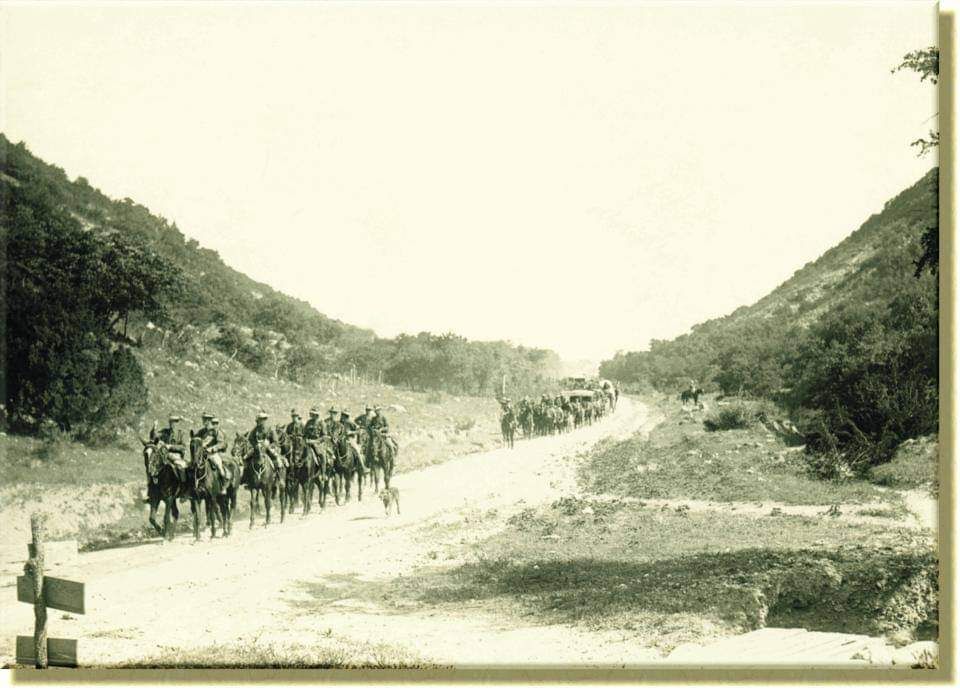
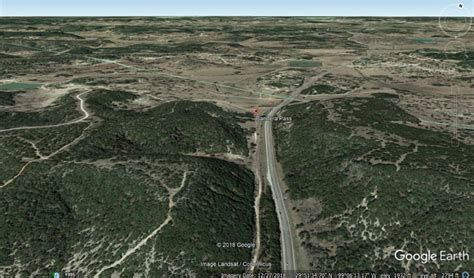
Bandera Pass
Here is an account from Pioneer History by J.J. Starkey Kerrville Times, Wed. Dec.24, 1952 – Page 7
Bandera Pass, scene of an important battle of the “more than forty engagements” fought by Jack Hays and his Texas Rangers during Hays’ career as Texas Ranger Captain “when he was protecting San Antonio and Southwest Texas against robbers and savages,” is located about 15 miles south of Kerrville, on the Bandera road.
According to A. J. Sowell, an early Southwest Texas historian, this battle at the Pass occurred in the year 1842 – forty Rangers, under Captain Hays, battling in the engagement a large band of Comanche Indians, variously estimated from 100 to 600 in number.
Bandera Pass is a gorge, cut by Nature, through the range of hills dividing the Guadalupe and Medina River valleys. This passway through the hills doubtless has witnessed many unrecorded battles between Indian tribes or with other warring peoples in the centuries past. It must have long been a gateway for any people journeying northward or southward through that section of the country. The advance of an enemy through it must of necessity have been protested by defenders. It offered wonderful facilities for ambushing an enemy and was an ideal place for fighting battles of the kind familiar to pioneer settlers.
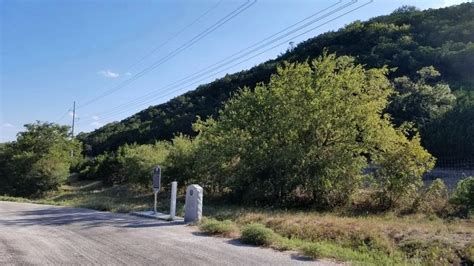
Bandera Pass today
Bandera Pass is about 500 yards long and 125 yards wide. The hills on each side are about 200 feet in height. Some ravines run down the mountain sides of the pass interior, and a few trees, bushes and rocks are scattered around, once furnishing hiding places for the ambushers of Indian fighting.
The line between Kerr and Bandera Counties touches the extreme north end of the Pass. At or near that point the waters of rainfalls divide, and run each way; to the north into the head draws of Mico Creek, a tributary of Verde Creek and on towards the Guadalupe River; to the south the water soon reaches the ravines, just south of the Pass, which are part of the Medina river watershed and then on to the creek tributaries of that Bandera County stream. This location, just roughly described, is the setting of the celebrated Battle of Bandera Pass which dates back more than a century into the past.
The young Tennessean surveyor, Jack Hays, during the later years of the decade of the 1830s began to attract attention as an Indian fighter. He was cool and collected under fire, brave, determined and resourceful.
In the Battle of Plum Creek, in the year 1840, twenty-seven miles southeast of Austin, Hays’ battle record was so outstanding, he came into the notice of Texan leaders and was moved into the field of frontier protection.
President Lamar commissioned Hays Captain and authorized him to enlist a company of Rangers, which was stationed at San Antonio. A wide area to the west and southwest of San Antonio was to be patrolled by Hays and his Rangers, and protected as far as possible from Indians and border bandits.
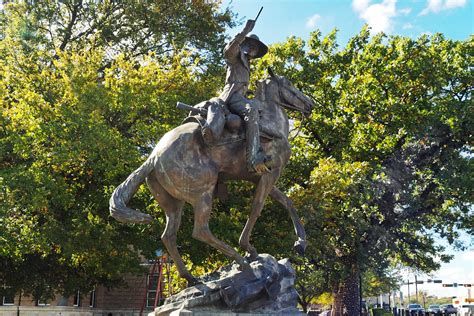
Jack Hayes
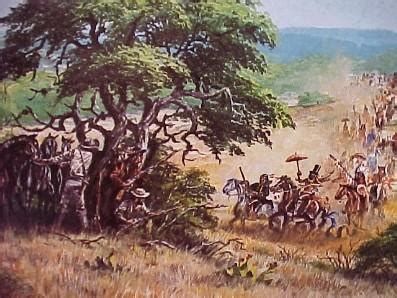
While this company of Rangers was camped near San Antonio, Hays started out with forty Rangers intending to proceed up the Medina River Valley and on through Bandera Pass for a scout up the Guadalupe River Valley. A band of Comanche Indians under command of a chief was at the same time coming south on a raiding expedition. The Indians reached the Pass ahead of the Rangers and, spying their approach several miles away, laid a well-concealed ambush on each side of the gorge already described. Into this ambush Hays and his Rangers rode, the only time the Captain was so trapped.
The Ranger company, unsuspecting danger, had penetrated to one-third of the distance through the Pass when they were set upon by the Indians, giving their war-hoops and firing rifle balls and arrows from all sides.
Momentarily there was some confusion in the ranks of the Rangers, some of them having been shot from their saddles, and the horses were rearing and plunging in fright.
Captain Jack Hays never lost his coolness and presence of mind in such emergencies. His commanding voice rang out strong and clear: “Steady there, boys; we can whip them, no doubt about that. Dismount, tie your horses, fight them afoot.”
Soon, a semblance of order was restored and the rangers were taking toll of the Indian warriors, with their rifles and Colt’s pistols, the latter something new and scarey to the savages. (Many old-timers say this Colt pistol, just out, greatly aided Hays and his men in their battles with Indians. One old Indian was reported to have commented: “The Rangers had a shot for every finger on the hand.”)
The battle soon developed into hand to hand struggles between the Rangers and Indians. Finally, one of the Rangers and the Comanche Chief grappled and a deadly knife contest ensued in which the Chief was slain. This broke the morale of the Indians, who withdrew to the northern end of the Pass, the Rangers falling back to the south entrance.
The Indians kept up a wailing until late at night, meantime burying the chief and other slain warriors. When morning came, the Indians had disappeared. Hays and his men buried their dead and began the trip back to San Antonio where the wounded received medical attention.
For years, the pass was used as a boundary between Indian Territory and the White-settled land. During this time a flag was flown from the top of the hill (where Bandera gets its name, Spanish for “flag”). In the late 1700’s Spaniards battled Apache warriors at the pass but were quickly defeated. Later, the Comanches moved into the area and pushed the Apache out.
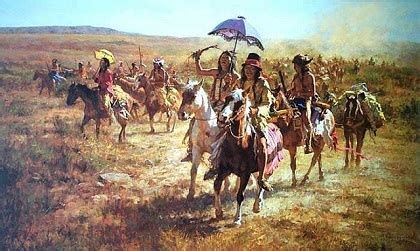
The Comanche were not uneducated warriors. The Comanche were battle savvy and combat hardened. Over the years, they fought the Spanish, French, Mexicans, Texians, and the Americans.
Their territory known as “Comancheria” was vast and the Comanche were feared by all including other tribes. The Comanche knew their terrain, had a much better knowledge of their natural resources such as locations of water, and their strategy of fighting was merciless and brutal. There was a reason they were known as the “Lords of the Plains.”
This was who Capt. Jack and the Texas Rangers were up against.
Up until 1841 the Comanche had been nearly undefeated in battle mostly because of their outstanding marksmanship with the bow and arrow. But in 1841 the tides changed in the Texas Indian Wars.
Hays and his Texas Rangers including Medina local Bigfoot Wallace made their way toward the pass. They were confronted by nearly 200 Comanche warriors. But the Rangers had something new on their side unknown to the Comanches; the model 1840 Colt Repeating Revolver.
The Rangers lost only 5 men that day. This battle marked a major turning point in the Indian Wars, as the Comanche fighting tapered off in this region.
IN GOD WE TRUST
Use Code CLEVER10 for a 10% discount on Green Pasture products today!








 Clever Journeys