
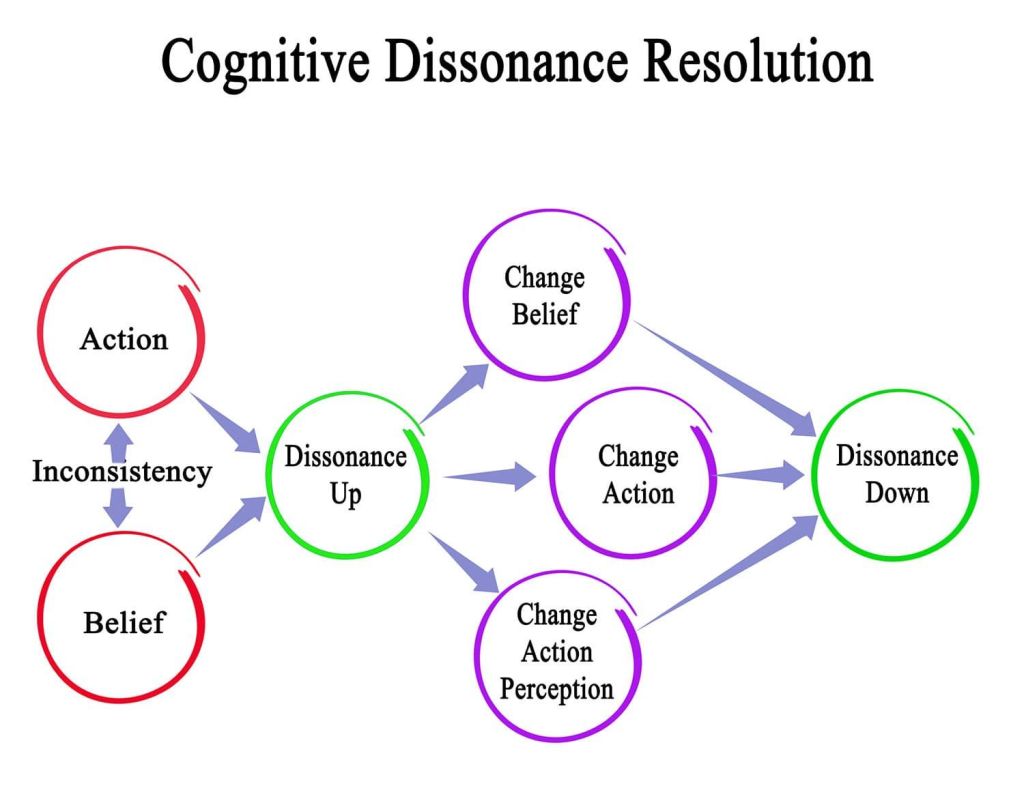
We keep hearing or reading the term “cognitive dissonance” being used quite often recently–far more so than normally.
I have been wondering why, because it refers to “the mental discomfort that results from holding two conflicting beliefs, values, or attitudes.”
When I recently interviewed and wrote about union members going against the grain of their leadership with the intent to vote for Donald Trump for president, the term came up several times.
Not only was I intrigued that over 60% of the United Auto Workers Union membership voted in favor of Trump, but also how conflicted they are with their leadership.

“It is sort of like how I have always considered myself a Democrat,” one woman from Michigan reacted. “The last 16 years are so has showed me how wrong I was. It reminded me of a time I was a secret smoker, but would hide the cigarette pack or sneak outside to smoke.”
Most of us feel better about things and tend to seek consistency in our attitudes and perceptions, so such conflicts cause unpleasant feelings of unease or discomfort.
Television, news media, and other propaganda has formed an inconsistency between what people believe and how they behave.

Eventually, with far too many, this motivates them to engage in actions that will help minimize feelings of discomfort. People attempt to relieve this tension in different ways, such as by rejecting, explaining away, or avoiding new information.
Many people would like to build up their savings but are tempted or lured in by advertising, “specials,” social engineering and such propaganda that they tend to spend extra cash as soon as they get it. They regret this decision later, such as when facing an unexpected expense that they don’t have the money to cover.
Sometimes it is due to peer pressure. “Everyone is doing it so why shouldn’t I?”
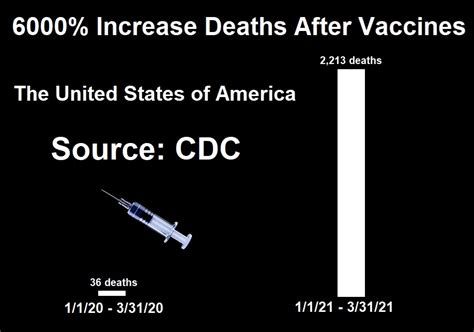
A big example comes from many people who were enticed or lured in to getting COVID vaccinations. Later, many realized they engaged in a behavior that they learned was harmful. Many died. Some are dying and others are struggling with significant health issues. Today, some people continue to deal with this by finding ways to justify their behaviors or finding ways to discredit or ignore new information.

Cognitive dissonance can be caused by feeling forced to do something, learning new information, or when faced with a decision between two similar choices.
Behaving in ways that are not aligned with our personal values may result in intense feelings of discomfort. Our behavior contradicts not just the beliefs we have about the world, but also the beliefs that we have about ourself.
This discomfort can manifest itself in a variety of ways. Someone with cognitive dissonance may feel:
- Anxiety
- Embarrassment
- Regret
- Sadness
- Shame
- Stress

People justify this by:
- Adopting beliefs or ideas to help justify or explain away the conflict between their beliefs or behaviors. This can sometimes involve blaming other people or outside factors.
- Hiding beliefs or behaviors from other people. People may feel ashamed of their conflicting beliefs and behaviors, hiding the disparity from others to minimize feelings of shame and guilt.
- Only seeking out information that confirms existing beliefs. This phenomenon, known as “confirmation bias,” affects the ability to think critically about a situation but helps minimize feelings of dissonance.

People like to believe that they are logical, consistent, and good at making decisions. Cognitive dissonance can interfere with the perceptions they hold about themselves and their abilities, which is why it can often feel so uncomfortable and unpleasant.
World Economic Forum, Big Media, special interest owned politicians and everything in between constantly harp on the propaganda of global warming.
Some people who feed into this might experience feelings of dissonance if they drive a gas vehicle. To reduce this dissonance, they may seek out new information that overrides the belief that greenhouse gasses contribute to global warming.
Be very aware of hoax news, false news, alternative facts, pseudo-news or junk news.
The purpose of fake news involves the generation of ad revenues through discrediting a company, political movement or public figure or web traffic.
Researching for this article, in a university psychology brief, I read that “The mental pain that comes from possessing two opposing views, values, or attitudes is cognitive dissonance. The tendency for people to look for continuity in their points of view results in unpleasant emotions of unease or discomfort when there is a contradiction.”
“Personality changes are desirable when it improves the physical and emotional well-being of a person or changes a negative psychological condition to positive outcomes. These facts and probabilities further emphasize the need for personality change interventions as it is beneficial in rectifying negative personality traits.”

Perhaps the terrible results of the damages from almost four years of a Biden-Harris administration has caused enough “contradiction” for a want and need for the positive outcomes of a Trump-Vance White House.
☆☆☆☆☆
IN GOD WE TRUST

Thanks for supporting independent true journalism with a small tip. Dodie & Jack

Dodie & Jack Dennis are regular customers of Green Pasture. Highly recommended.
Green Pasture Here!


Use Code CLEVER10 for a 10% discount on other Green Pasture products today!


Get Your Natural Vitamins A & D from the Sea!
DANGER CLOSE

Byrne’s DANGER CLOSE is available here.
☆☆☆☆☆



 Clever Journeys
As in, the damages of the last four years are too great to explain away? It is certainly showing to be true for many; the fact that it doesn’t make it so for everyone, I can’t explain that at all, except that these don’t recognize (cognitive) truth when they see it. (Dissonance: it is too upsetting to admit it.)
LikeLiked by 2 people
It takes someone being honest with themself to be truthful to others.
LikeLiked by 1 person