
In October of 2005, a social studies teacher at an Ohio high school wrote to Neil Armstrong with some questions.
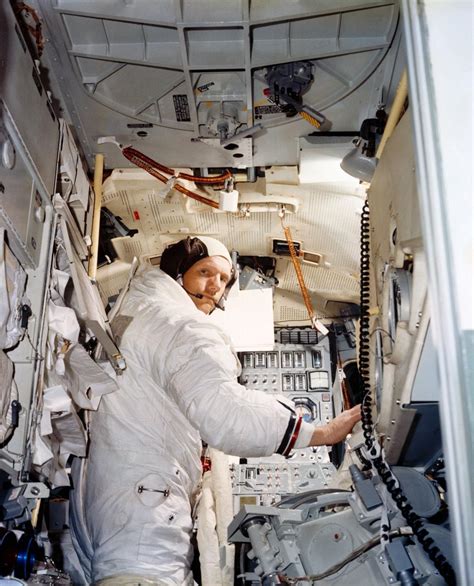
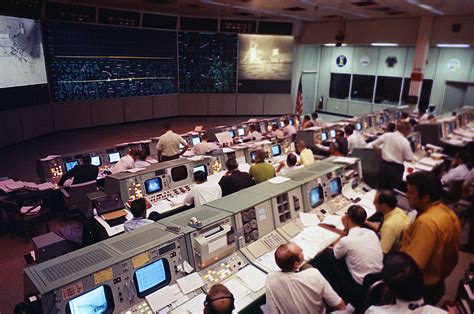
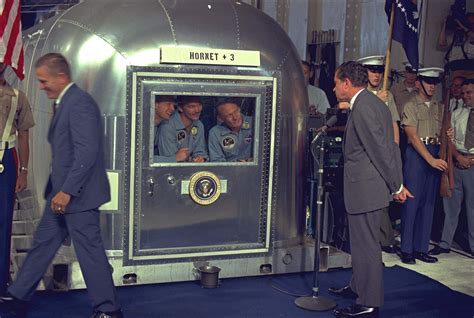
This was thirty-six years after Armstrong had become the first human to step onto the Moon, his incredible achievement filmed and beamed, live, into the homes of hundreds of millions of people around the world.
Despite the broadcast, a surprising number of conspiracy theorists—Mr. Whitman included—have for many years debated the Moon landing, positing that the footage was in fact filmed in a studio much closer to home, and that the crew of Apollo 11 failed to get close to the lunar surface.
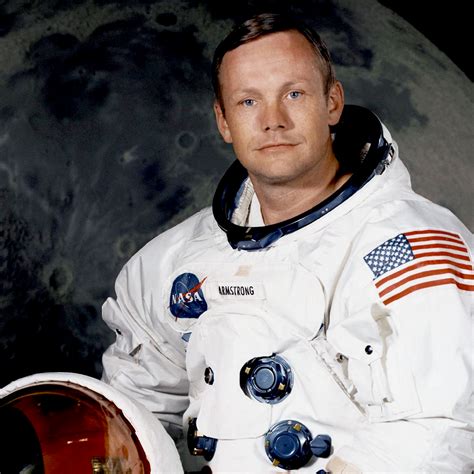
A number of these skeptics wrote to the Apollo astronauts, but rarely did they receive a response. Mr. Whitman, however, was more fortunate.
Mr. Whitman,
Your letter expressing doubts based on the skeptics and conspiracy theorists mystifies me.
They would have you believe that the United States Government perpetrated a gigantic fraud on its citizenry. That the 400,000 Americans who worked on an unclassified program are all complicit in the deception, and none broke ranks and admitted their deceit.
If you believe that, why would you contact me, clearly one of those 400,000 liars?
I trust that you, as a teacher, are an educated person. You will know how to contact knowledgeable people who could not have been party to the scam.
The skeptics claims that the Apollo flights did not go to the moon. You could contact the experts from other countries who tracked the flights on radar (Jodrell Bank in England or even the Russian Academicians).
You should contact the Astronomers at Lick Observatory who bounced their laser beam off the Lunar Ranging Reflector minutes after I installed it. Or, if you don’t find them persuasive, you could contact the astronomers at the Pic du Midi observatory in France. They can tell you about all the other astronomers in other countries who are still making measurements from these same mirrors—and you can contact them.
Or you could get on the net and find the researchers in university laboratories around the world who are studying the lunar samples returned on Apollo, some of which have never been found on earth.
But you shouldn’t be asking me, because I am clearly suspect and not believable.
Neil Armstrong
Letter from Neil Armstrong to James Whitman (2005) from Neil A. Armstrong Papers, Purdue University Archives and Special Collections, Purdue University Libraries.
Mr. Whitman sent Armstrong the letter on the astronaut’s 70th birthday.
Whitman, identified himself as a “teacher of young children” charged with “a duty to tell them history as it truly happened, and not a pack of lies and deceit.” His letter shows some difficulty with grammar, and even more with critical thinking and standards of evidence.
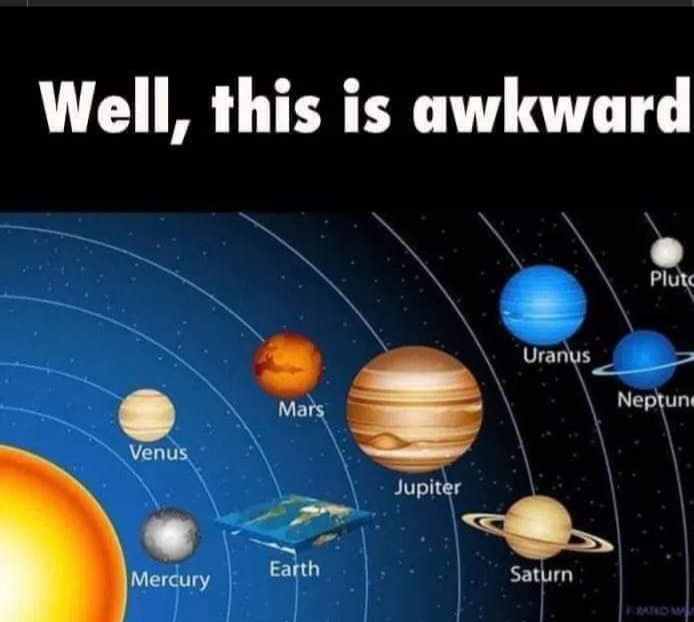
Conspiracies Easily Debunked
One of the most overdone claims is that there was a lack of a crater caused by the landing.
The astronauts didn’t need to use a large blast to slow themselves down because the moon’s gravity is roughly one-sixth that of Earth’s. It was more of a gentle landing.
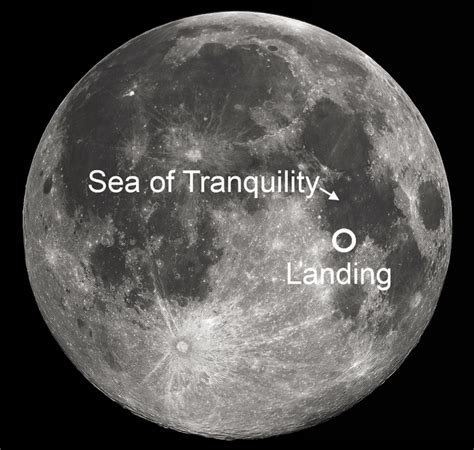
Here’s a look at some of the most common claims of no lunar landings and how they’re explained away:
___
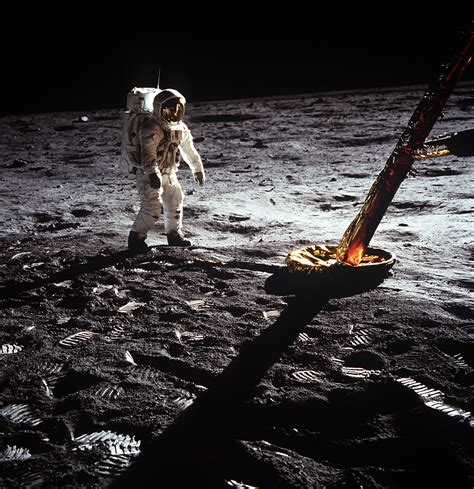
CLAIM: The angle and colors of the shadows in photographs from the moon are inconsistent, suggesting artificial lights were used to illuminate a set.
THE FACTS: The many bumps, craters and hills on the moon, along with the various light sources that illuminate it—light directly from the sun, light reflected off the moon’s surface and light reflected off the Earth—cause what look like distortions and inconsistencies. The astronauts’ cameras had wide-angle lenses that can distort objects.
___
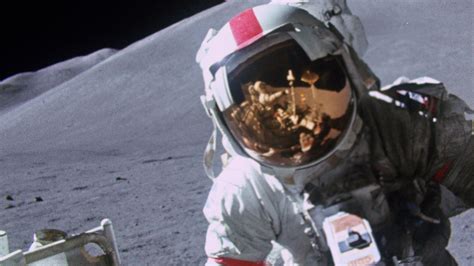
CLAIM: Armstrong and the lunar module are seen reflected in Aldrin’s helmet visor in an iconic photo of Aldrin in his spacesuit on the moon. But there’s no sign that either astronaut is holding a camera. So who took the picture?
THE FACTS: The camera was mounted on the astronaut’s suit, much like the body cams of today.
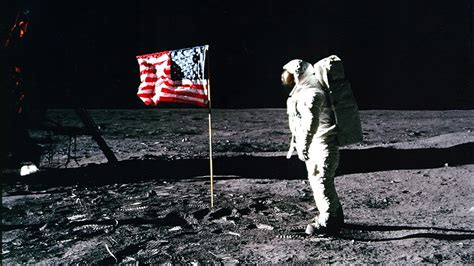
CLAIM: The American flag in photos from the moon looks as if it’s flapping in the wind. That would be impossible, since there’s no air on the moon.
THE FACTS: Rather than let the flag droop, NASA decided to use a right-angled rod to keep it spread out, as was explained clearly by astronaut Wally Schirra to Walter Cronkite live on CBS News television the night of the landing.
Armstrong and Aldrin accidentally bent the rod a little bit, making it look as if the flag was in motion. They were also worried that the flagpole was going to fall down after they had twisted it into the ground, so they quickly snapped the photos, capturing the flag while it was still moving.
CLAIM: No stars show up in the background of any photographs because NASA knew astronomers would be able to use them to determine whether the pictures were taken on Earth or the moon.
THE FACTS: The shutter speeds on the astronauts’ cameras were too fast to capture the faint light of the stars, astronomer Emily Drabek-Maunder at the Royal Observatory Greenwich in London said.
NASA used high shutter speeds to make sure the pictures weren’t overexposed from the bright light on the moon.
___
CLAIM: As mentioned above, when the lunar module descended onto the moon’s surface, it didn’t scatter any dust and didn’t leave a crater from the rocket blast that slowed its descent.
THE FACTS: In landing on the moon, the astronauts were traveling horizontally for a while, so the thrusters weren’t pointed down and wouldn’t have kicked up any dust. But when the module finally did touch down, we all could see dust actually being thrown up.
☆☆☆☆☆
IN GOD WE TRUST


Please and Thank You 😊
Thanks for supporting independent true journalism with a small tip. Dodie & Jack
Green Pasture Here!


Use Code CLEVER10 for a 10% discount on other Green Pasture products today!

.

CINDY LEAL MASSEY, TEXAS AUTHOR




 Clever Journeys
How did they make it through the radiation belt
LikeLiked by 2 people
It is a brilliant response. My hope is that Mr. Whitman will have enough wit to understand it. The damage done to people’s brains with the lack of ability to concentrate and to think critically is cataclysmic. In many cases, we’re starting from scratch.
LikeLiked by 2 people