
Baltimore’s Mary Young Pickersgill and her helpers gathered about 400 yards of red and blue English wool and white cotton fabric for her next assignment.
When finished, the project would weigh more than 50 pounds. It would turn out to be one of the most inspiring symbols in cloth, and in song in history. It’s importance unites and excites to this day.

It was a monumental task, one that required the highly respected Mrs. Pickersgill to enlist the help of her daughter, Caroline; two teenage nieces, Eliza and Margaret Young; an indentured African American apprentice, Grace Wisher, and her own mother Rebecca Young.
As the giant project progressed, more skilled help was called in as needed. Their work was tedious and too overwhelming to continue in the home that Pickersgill rented.
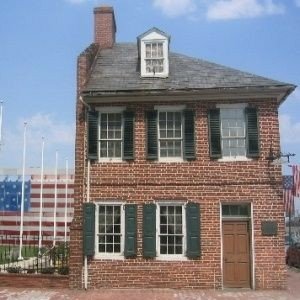
To have enough workspace, the women negotiated use of the nearby Claggett’s Brewery late into the evening after the day’s production of ale had ceased.
Six weeks later, upon completion, they were paid $405.90 for their creation, about $9,200 in today’s value.
The finished project remained respectfully stored until the dawn September 14, 1814.
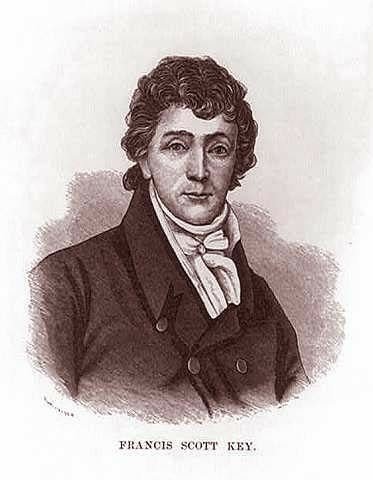
As it was being exposed to a new sunlight, nearby was a sailing vessel, President, carrying Colonel John S. Skinner, a U.S. State Department who was accompanied by a 35-year-old Georgetown attorney named Francis.
Colonel Skinner and Francis watched as it took 11 men to proudly set Mrs. Pickersgill’s great project in place. They were relieved an honored after spending the last day and night wondering if they would be alive that morning.
“The hissing rockets and the fiery shells glittered in the air, threatening destruction as they fell,” recalled one young British sailor, describing what occurred just a few hours before. “Whilst to add solemnity to this scene of devastation, the rain fell in torrents — the thunder broke in mighty peals after each successive flash of lightening, that for a moment illuminated the surrounding darkness.”
Over 100 miles away, in Philadelphia, citizens could hear blasts. One publication described that “the houses in the city were shaken to their foundations for never, perhaps from the time of invention of cannon to the present day, were the same number of pieces fired with so rapid a succession.”
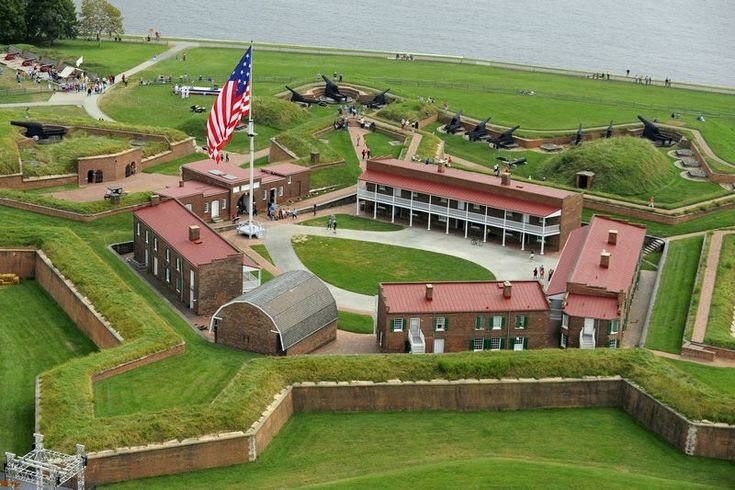
But Colonel Skinner and Francis had a first hand view. Their vessel, President remained docked at Hughes Wharf at Fell’s Point during the night’s bombardments.
Francis watched from his window at the Indian Queen Hotel, so inspired, he wrote a rough draft describing the event. The next night, after viewing Mrs. Pickersgill’s creation being hoisted 90 feet up, he turned his draft of a poem into a song. He finalized the four stanzas and entitled it the “Defense of Fort McHenry.”
The lyrics of his song goes like this:
O say can you see by the dawn’s early light
What so proudly we hailed at the twilight’s last gleaming
Whose broad stripes and bright stars through the perilous fight
O’er the ramparts we watched, were so gallantly streaming?
And the rocket’s red glare, the bombs bursting in air
Gave proof through the night that our flag was still there
O say does that star-spangled banner yet wave
O’er the land of the free and the home of the brave
Francis Scott Key’s song is our National Anthem.
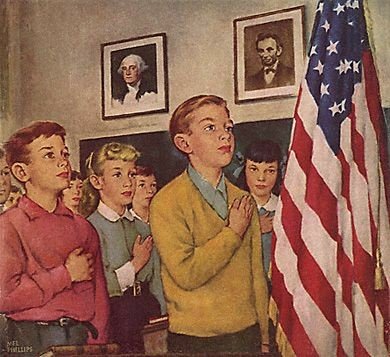
The “Star Spangled Banner” was the
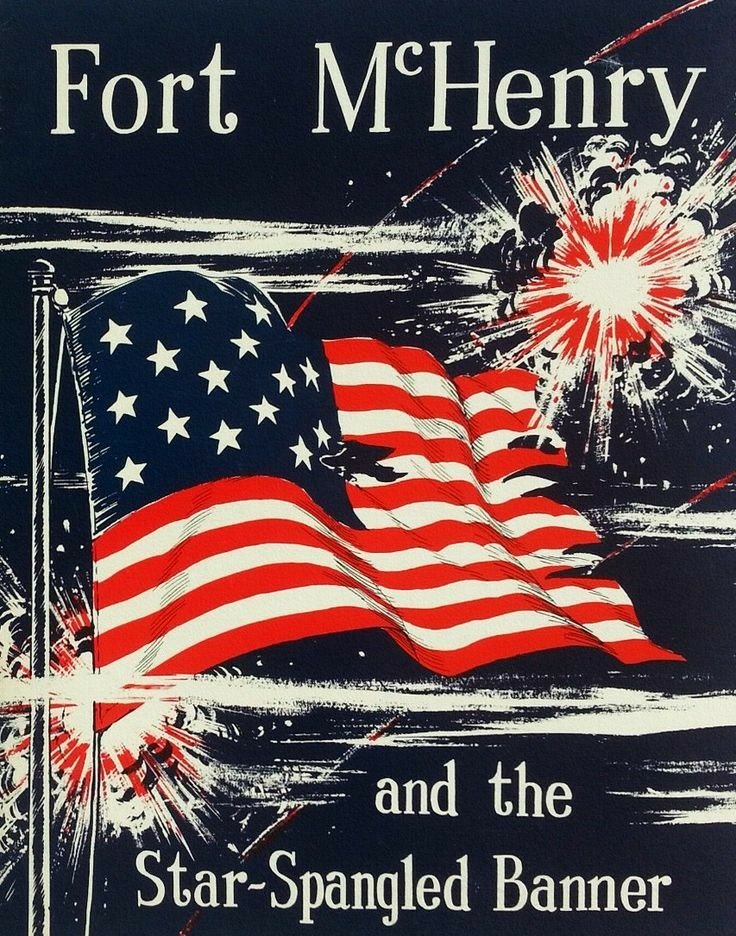
30 by 42 feet American flag created by Mary Pickersgill.
Known then as the Great Garrison Flag, it was the largest flag flown in combat up to that time. Each of the 15 red and white stripes measured two feet across (until 1818, a star and a stripe were added for each state that joined the Union), as do the 15 stars, arrayed in five offset rows.
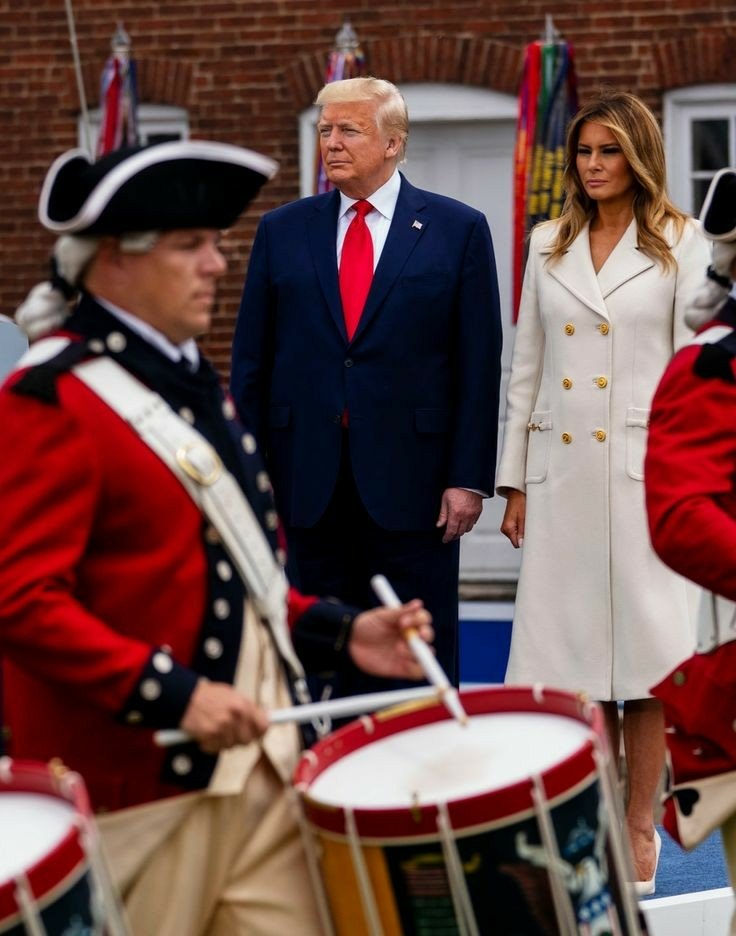
Just moments after the British ships sailed away, the actual smaller battle flag was replaced by the greatest symbol of freedom honoring the brave that patriotic Americans still stand and respect today.

 Clever Journeys