
This man didn’t just break a rule in 1972. He walked into CBS with a daringly sharp sentence. It was sharp enough to slice his career in half. He dared the network to blink.

That morning, he rolled it from his typewriter like a live wire, sat back for a heartbeat, and muttered, “If I won’t say it, why am I here at all?”
Then he folded the page. He carried it down a hallway thick with silence. He placed it in the control room like a fuse ready to burn.
A producer read the line. Once. Then twice.
He finally exhaled, “Andy, this could get you fired.”
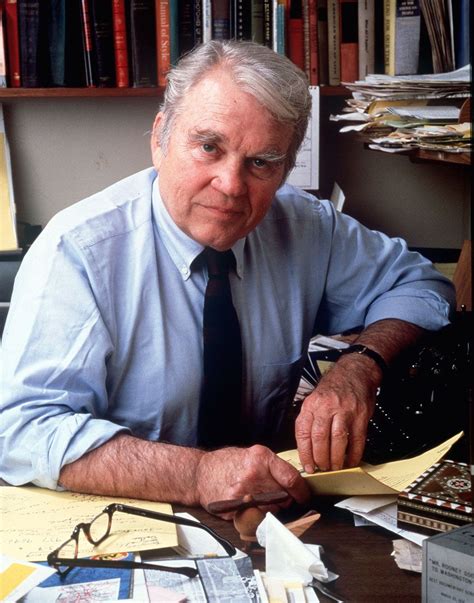
Andy Rooney shrugged. “Then fire me. But the line stays.”
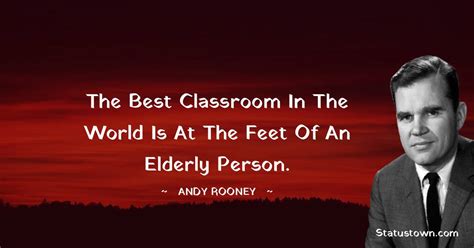
This was Rooney before America knew him as the irritable philosopher of 60 Minutes. He was the man who could turn lost car keys into commentary on human nature.
Long before viewers watched him grumble into their living rooms each Sunday, he had already been shaped by something far darker: war, rubble, and the kind of truth no network memo could soften.
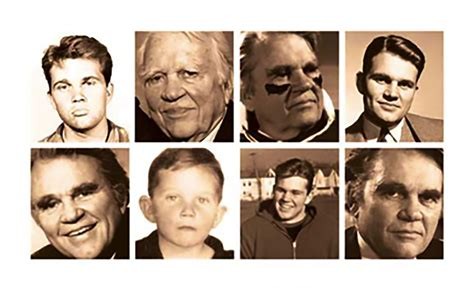
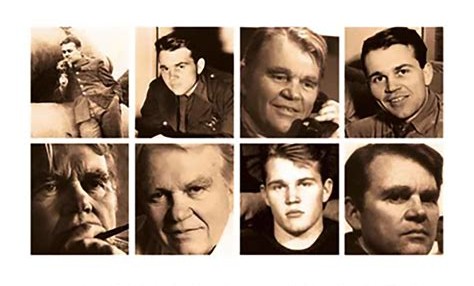
As a Stars and Stripes correspondent, Rooney rode inside bombers over Germany. He trudged through streets where entire neighborhoods had been erased.
In his chest pocket he carried a ragged notebook held with a rubber band. It was filled with lines too real for sanitized headlines. That notebook, more than any executive, guided his career.
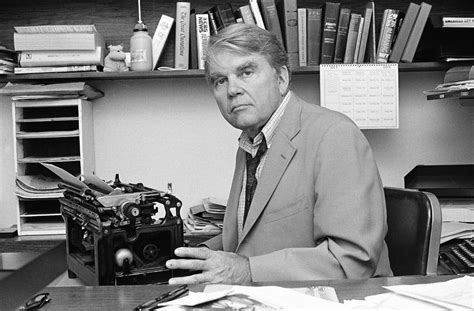
So when CBS asked him in 1972 to write narration for a Vietnam film—“measured,” “neutral,” “safe”—they asked the wrong man.
Rooney refused safety.
He wrote one sentence that cut clean through the war’s abstraction:
“War is not statistics—it is names.”
And then he included the number of American soldiers killed that month.
1547.
CBS ordered him to remove it.
Rooney refused.
A senior producer pulled him aside in a last attempt to save him. “It’s too heavy. Too emotional. Too political. We can’t air it.”
Rooney didn’t bargain. He didn’t soften. He simply took the script, walked into editing, and told the tech, “Put it in. Word for word.”
When the documentary aired, that number hit American living rooms like a door slamming open. Phone lines overloaded. Some were furious. Some broken. Some grateful.
But nobody could ignore the truth anymore.
CBS suspended him for months, waiting for the fire to cool. It never did. When they finally allowed him back, he returned with one demand—full control of his words. No trimming. No padding. No corporate anesthesia.
And when 60 Minutes brought him on in 1978, he carried that same fire with him. He didn’t lecture the world; he dissected it—one teapot, one parking ticket, one grocery list at a time. Behind the cranky humor was the same war reporter who had stared at unvarnished reality and refused to blink.
In 1984, when someone asked why he kept poking where it hurt, he answered with the sentence that defined him:
“If you’re afraid to say it, that’s exactly why it needs to be said.”
Andy Rooney never learned silence.
And the country was better for it.
To receive free email notification, when we post new articles like this, sign up below. Clever Journeys does & will not sell or share your information with anyone.
IN GOD WE TRUST
Thanks for supporting independent true journalism with a small tip. Dodie & Jack


CLICK HERE for GREEN PASTURE BENEFITS


Use Code CLEVER10 for a 10% discount on Green Pasture products today!

☆☆☆☆☆
☆☆☆☆☆



 Clever Journeys
Oh, man. Thank you for reminding me how much I loved Andy Rooney. I used to have several of his books (before The Fire) – now you’ve driven me back to Amazon to update my Wish List! 😇😉😎
LikeLiked by 2 people