
Ted Bundy adjusted his tie in a Salt Lake City courthouse in 1976. He smiled at a jury that did not yet know he had already escaped police once.

He had switched counties twice and talked investigators into believing he was harmless. A guard whispered, “He’s charming.”
Bundy heard it. He always listened for that word. It was his weapon. It was how he hid in plain sight while institutions kept underestimating the danger sitting right in front of them.
Ted Bundy did not survive because he was smart. He survived because the systems around him were slow and fragmented. They were unwilling to believe that a polite law student could be a predator. He exploited every gap.
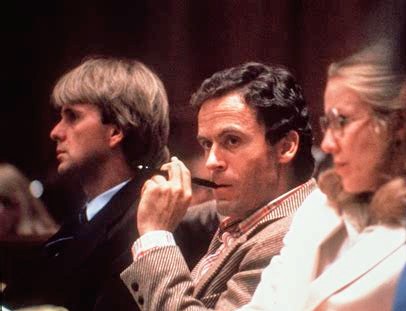
When witnesses described a man named “Ted” with a Volkswagen, police departments across three states never compared notes.
A woman escaped his car in Utah. She reported his name, his school, and his car model. She also gave a perfect description of his face. Detectives hesitated because he didn’t “fit the type.”

Bundy learned the lesson instantly: if he behaved like the man they expected, they would never see the man he was.
He volunteered on a crisis hotline in Seattle. Coworkers described him as patient and reassuring. He was someone who knew how to calm frightened women. They had no idea he was studying not just voices, but vulnerabilities.
In 1974, when disappearances began piling up around Washington and Oregon, campus police lacked coordination, and forensic labs lacked tools. Witness descriptions were dismissed as unreliable. The phrase “good-looking” became its own shield around him.

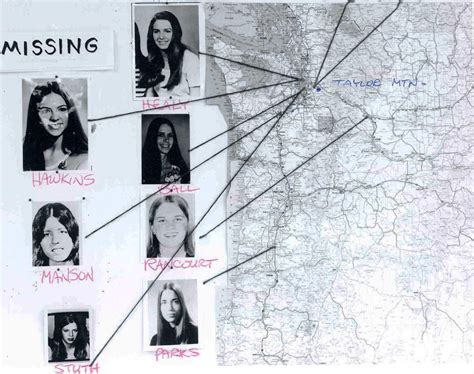
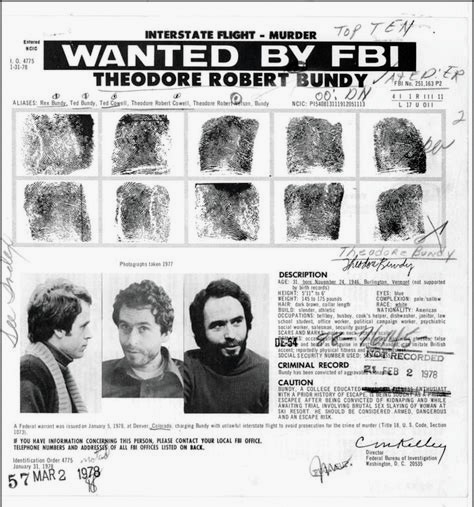

His arrests revealed how unprepared the system was. In 1975, he was pulled over with ski masks, rope, and handcuffs in the car. Police filed it as suspicious, not proof.
In 1977, he acted as his own attorney in Colorado, which meant he didn’t have to wear handcuffs. He walked straight out of a second-story courthouse library window.
A judge later admitted he underestimated Bundy because the suspect “seemed articulate.”
That underestimation cost lives.
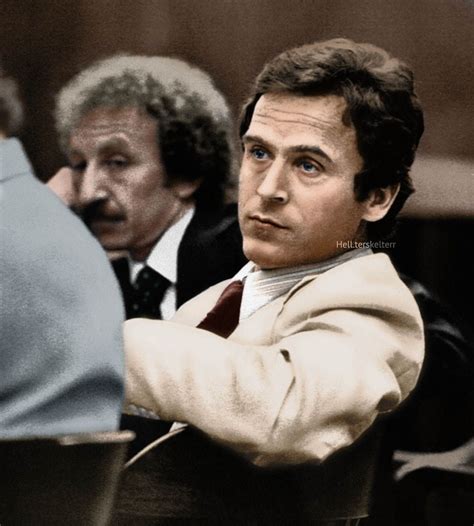
During his Florida trial in 1979—America’s first fully televised trial—Bundy turned the courtroom into theater.
He smiled. Cross-examined witnesses. Proposed to a woman on the stand to manipulate marriage laws. Spectators giggled.
The judge praised his intelligence even while sentencing him to death. It was the clearest proof of how Bundy flourished: he convinced people to look at him, not at the evidence.
Investigators who worked the case later said the same thing: serial killers don’t succeed because they’re brilliant. They succeed because institutions don’t share information, victims aren’t taken seriously, and people trust the wrong signals.
Years after the execution, an FBI agent who interviewed Bundy warned students at Quantico with a line that stripped away every myth Bundy hid behind.
“Charisma isn’t a gift. In the wrong hands, it’s a disguise.”
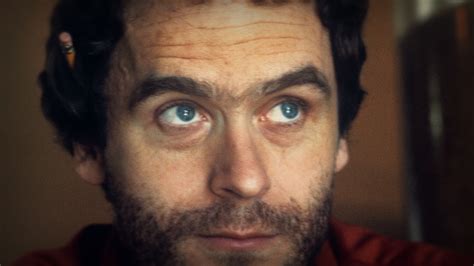
That’s the real story of Ted Bundy. A system built on assumptions let him slip through its fingers repeatedly. This continued until the truth finally broke through the performance.
To receive free email notification, when we post new articles like this, sign up below. Clever Journeys does & will not sell or share your information with anyone.
IN GOD WE TRUST


Thanks for supporting independent true journalism with a small tip. Dodie & Jack

CLICK HERE for GREEN PASTURE BENEFITS



Use Code CLEVER10 for a 10% discount on Green Pasture products today!

☆☆☆☆☆



☆☆☆☆☆




 Clever Journeys
I remember Bundy’s reign of terror quite well. Because of the fear his crimes instilled in girls at the time, I became much more cautious when out and about. 😦
LikeLiked by 3 people
The whole ‘serial killer’ mystique is a fascinating sociocultural phenomenon. Don’t know how much y’all watch television, but have you seen a new series called The Hunting Party?
LikeLiked by 2 people
No sir ~ we don’t watch TV at all unless visiting others that do. During that time we’re definitely on sensory overload! 😳
LikeLiked by 1 person
A true predator studies his craft.
LikeLiked by 1 person
It is truly amazing how these “individuals” work as a serial rapist or killer. Being a retired “glorified babysitter”. It’s wow on a whole new level. I’ve witnessed over and over again how smooth and controlling they are. Especially having worked in a high profile sex offender prison. They despise female authority yet extremely polite, easy to communicate with. Trying to get inside your head carrying on in one tone that is flat with no emotions. After a couple of years of working with the population. I learned to stare straight at them like they would do with me. Learned to talk in a mono tone format. Switch the sentences around in a circle. I loved playing “head games”. I used a common line with one serial rapist he let his victims survived every attack and the impact statements from his file where tear jerker stories. Let me know the answer to this one troubling question. Why is it when you turn the lights off everything is the same color in the dark. Get back to me with this. Then chuckle. You had to be 10 paces ahead of this behaviour at all times. I had lots of fun playing games just like they ddid with me.
LikeLiked by 2 people