
In 1933, Virginia Hall was 27 years old, on a hunting trip in Turkey, when her shotgun accidentally discharged.
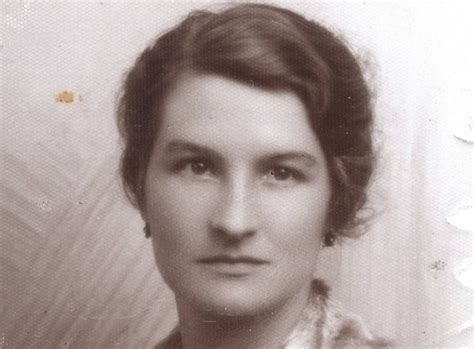
The blast tore through her left leg below the knee. Gangrene set in. Doctors had no choice: they amputated.
Virginia woke up in a hospital with a wooden prosthetic leg and a new reality: her dreams were over. She’d spent years preparing for a career in the U.S. Foreign Service—studying languages, earning degrees, traveling the world. She spoke French, German, Italian, and Russian. She was brilliant, driven, ambitious.
But in 1933, the U.S. State Department had a rule: no disabled people in the Foreign Service.
Virginia applied anyway. She was rejected.
She applied again. Rejected.
She lobbied. She argued. She proved she could walk, work, travel.
Rejected.
The U.S. government’s message was clear: a woman with a prosthetic leg couldn’t serve her country.
Virginia refused to accept that.
When World War II broke out in 1939, Virginia was living in Paris, working as a clerk at the U.S. Embassy.
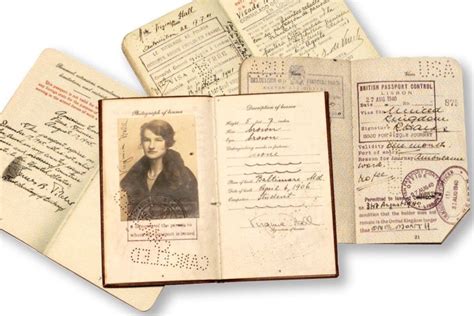
When France fell to the Nazis in 1940, she fled to London.
And that’s where she met the Special Operations Executive (SOE). It was Britain’s secret spy agency. The agency was tasked with sabotage, espionage, and supporting resistance movements in Nazi-occupied Europe.
The SOE was desperate for agents who spoke French and knew France well. Virginia applied.
The SOE didn’t care about her leg. They cared about her skills.
In 1941, Virginia Hall became the first female SOE operative sent to France.
She was 35 years old, had a wooden leg, and was about to become one of the most effective spies of World War II.
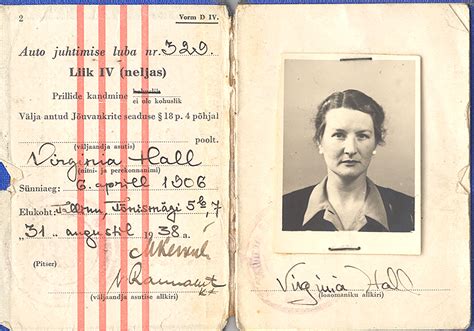
Virginia’s cover: she was an American journalist reporting from Vichy France (the Nazi-collaborating French government). It was plausible—she had journalism credentials, spoke perfect French, and moved freely through unoccupied territory.
But her real job was far more dangerous.
Virginia organized resistance networks. She coordinated sabotage operations. She arranged supply drops. She helped downed Allied pilots escape to safety. She transmitted coded radio messages back to London.
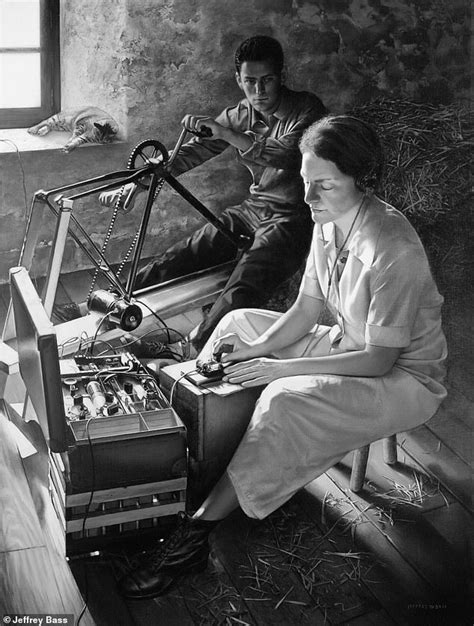
And she did it all while walking with a limp—a giveaway in a world where the Gestapo was hunting for spies.
Virginia had a solution: she named her prosthetic leg “Cuthbert.”
In November 1942, as the Nazis prepared to occupy all of France, Virginia knew she had to escape.
She radioed London:
“Cuthbert is giving me trouble, but I can cope.”
London, not knowing “Cuthbert” was her prosthetic leg, replied:
“If Cuthbert is giving you trouble, have him eliminated.”
Virginia later laughed about it. But the situation wasn’t funny.
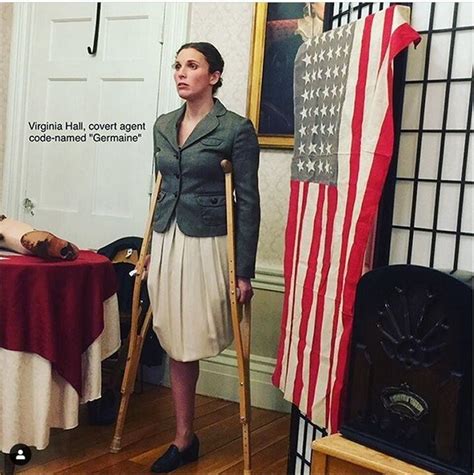
The Gestapo had figured out there was a female SOE agent operating in Lyon. They’d intercepted radio signals. They’d heard reports of a woman with a limp coordinating resistance activities.
‘One of the Most Dangerous’
They put up wanted posters: “The woman who limps is one of the most dangerous Allied agents in France. We must find her.”
Virginia had to run.
Her escape route: a 50-mile trek over the Pyrenees Mountains into Spain—in the middle of winter, through snow and ice, with a wooden leg.
Most able-bodied soldiers would have struggled with this journey. Virginia had to do it knowing that if her prosthetic broke, she’d be stranded in the mountains.
She made it. Barely.
After recovering in Spain, Virginia returned to London. The SOE wanted to send her back to France, but it was too dangerous—the Gestapo knew her face.

So Virginia joined the Office of Strategic Services (OSS)—the precursor to the CIA—and went back to France anyway.
This time, her disguise was brilliant: she aged herself 30 years.
She dyed her hair gray. She wore peasant clothing. She walked with a more pronounced limp, hunched over, pretending to be an old milkmaid.
The Gestapo was looking for a sophisticated, middle-aged American woman. They didn’t see the elderly French peasant shuffling through villages, tending cows, and secretly coordinating sabotage operations.
Virginia spent the final year of the war in occupied France, organizing resistance fighters, directing raids on German supply lines, and preparing for D-Day.

She trained guerrilla fighters. She blew up bridges. She cut communication lines. She coordinated attacks that killed or captured hundreds of German soldiers.
And the Gestapo never found her.
When France was liberated in 1944, Virginia Hall had become a legend.
General Eisenhower himself praised her work.
The French Resistance credited her with saving countless lives.
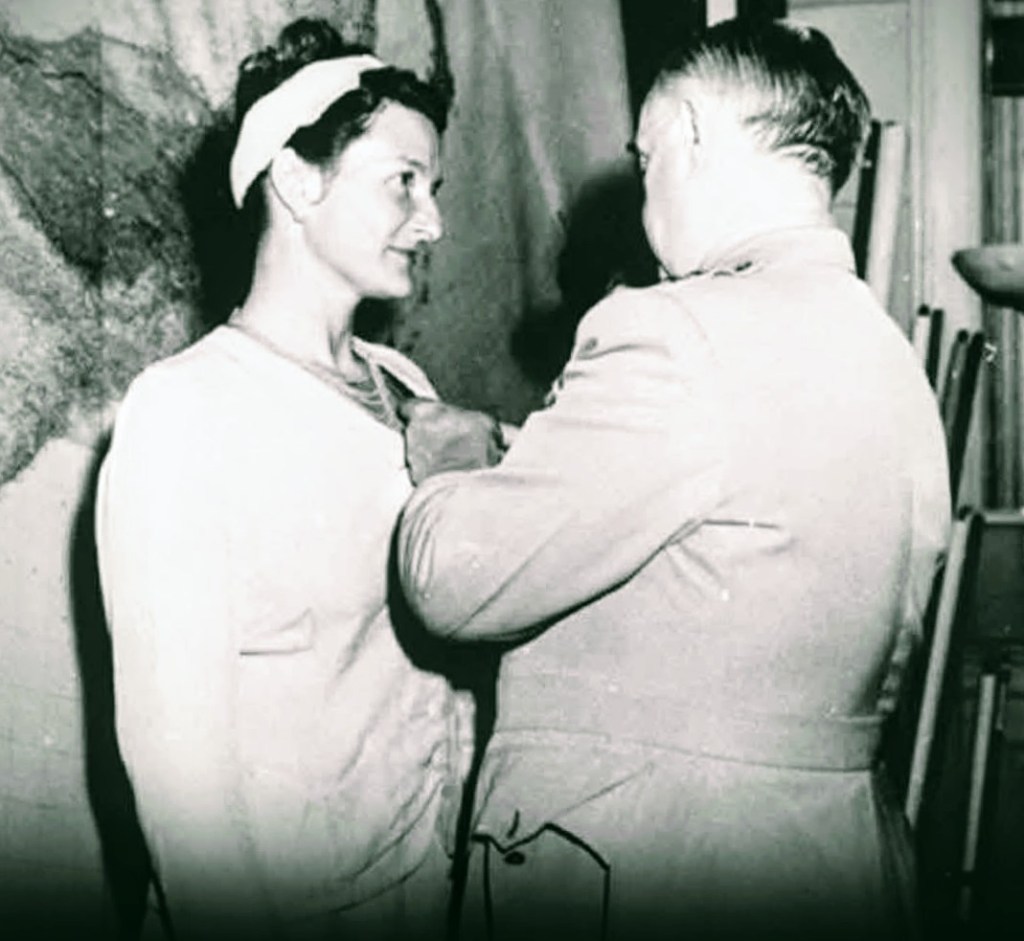
In September 1945, President Harry Truman awarded Virginia Hall the Distinguished Service Cross—the only civilian woman to receive it during World War II.
The ceremony was private, at Virginia’s request. She didn’t want publicity. She didn’t want fame.
She just wanted to keep serving.
After the war, Virginia joined the newly formed CIA. She’d proven herself as one of the most effective intelligence officers in history. Surely, she’d be promoted, given leadership roles, recognized for her brilliance.
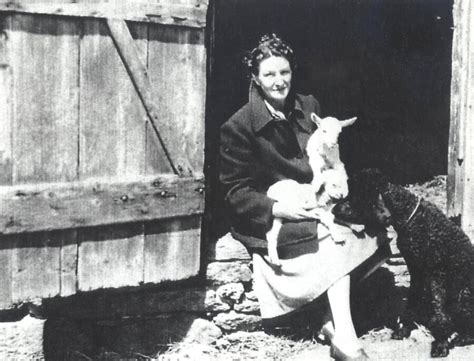
Instead, the CIA stuck her at a desk.
They passed her over for promotions. They gave field assignments to less experienced men. They made it clear: women—especially women with disabilities—weren’t meant for leadership.
Virginia spent 16 years at the CIA, mostly doing research and analysis. She retired in 1966, frustrated and largely forgotten.
She moved to a farm in Maryland with her husband, Paul Goillot (a former OSS colleague). She lived quietly, rarely speaking about her wartime service.
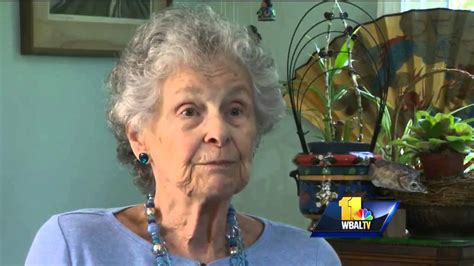
Virginia Hall died in 1982 at age 76. Her obituary was brief. Few people remembered her name.
But in recent years, historians have rediscovered her story. Books have been written. Documentaries made. Her legacy celebrated.
Today, the CIA has a training facility named after her.
France awarded her the Croix de Guerre. Britain gave her the Member of the Order of the British Empire.
And people finally understand: Virginia Hall wasn’t just a spy. She was one of the most effective intelligence operatives of World War II—and she did it with a wooden leg in a world that told her she was too disabled to serve.

She lost her leg in a hunting accident. The U.S. rejected her. So she became a spy, climbed mountains with a wooden leg, and the Gestapo called her “the most dangerous Allied agent.” She named her prosthetic “Cuthbert.”
To receive free email notification, when we post new articles like this, sign up below. Clever Journeys does & will not sell or share your information with anyone.
.
IN GOD WE TRUST


Thanks for supporting independent true journalism with a small tip. Dodie & Jack

CLICK HERE for GREEN PASTURE BENEFITS


Use Code CLEVER10 for a 10% discount on Green Pasture products today!

☆☆☆☆☆

☆☆☆☆☆


☆☆☆☆☆


 Clever Journeys
Virginia Hall’s perseverance was incredible and her achievements were phenomenal. She was an amazing, one-of-a-kind gift from God. 🙂
LikeLiked by 2 people
The bureaucrats of the U.S. Government acting or being stupid. Some things never change.
LikeLiked by 2 people
The most impressive thing is that, given the choice to receive credit, she chose to remain hidden, wanting only to serve.
LikeLiked by 1 person
So are they getting rid of all those dumb wasteful programs or just talking about them, We the People want to see results
LikeLiked by 2 people
Will believe it when we see it.
LikeLiked by 1 person
Love this story!
LikeLiked by 2 people