
In May 1944, 23-year-old Phyllis Latour jumped out of a US Air Force bomber and parachuted into occupied Normandy, France.

Philippe, Latour’s father, was a French doctor. He was married to Louise, a British citizen living in South Africa. Phyllis was born there in April 1921.
Her father died three months later during local conflicts in the Belgian Congo, and her mother remarried three years later. Her stepfather was a racing driver.
Her mission was to gather information about Nazi positions in preparation for D-Day.
Once on the ground, she quickly buried her parachute and clothes. She then began a secret mission that would last four months. During this time, she pretended to be a poor teenage French girl.
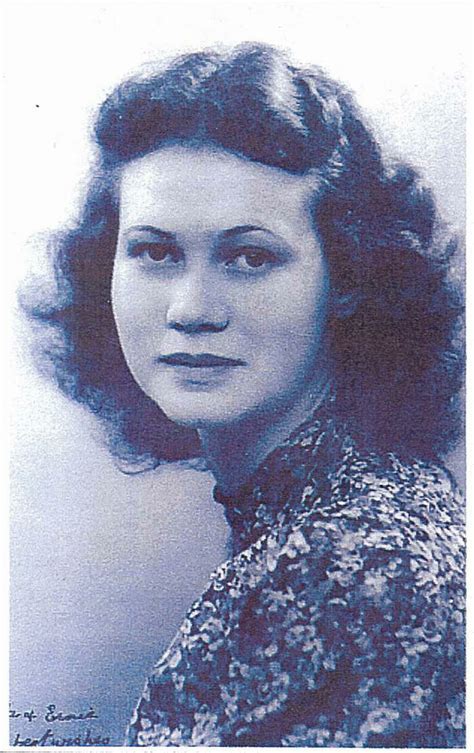
Phyllis had been trained by the British Special Operations Executive (SOE). She learned how to send secret messages in Morse code, how to fix wireless radios, and how to spy without being caught.
She also went through tough physical training in the Scottish highlands.
One of her trainers was a former cat burglar, who taught her how to climb walls and sneak around without leaving a trace.
Phyllis wanted to get revenge on the Nazis who had killed her godfather.
Her mission was dangerous. Years later, Phyllis said, “The men who had been sent before me were caught and killed. I was chosen because I would be less suspicious.”
She would ride a bicycle through the region. She pretended to sell soap and secretly passed messages to the British about German locations. She acted like a silly country girl, chatting with German soldiers to avoid raising suspicion.
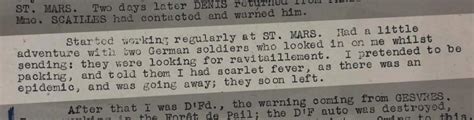
She moved from place to place to stay hidden and often slept in forests, finding her own food.
Phyllis also came up with a clever way to hide her secret codes. She wrote them on a piece of silk and pricked it with a pin each time she used a code. She kept it hidden inside a hair tie.
When the Germans briefly detained her, they searched her. She took out the hair tie and let her hair fall to show she had nothing to hide. In the summer of 1944, Phyllis sent 135 coded messages, helping Allied bombers find German targets.
After the war, Phyllis married and moved to New Zealand, where she raised four children. Her children didn’t know about her wartime service until 2000, when her oldest son found out online.
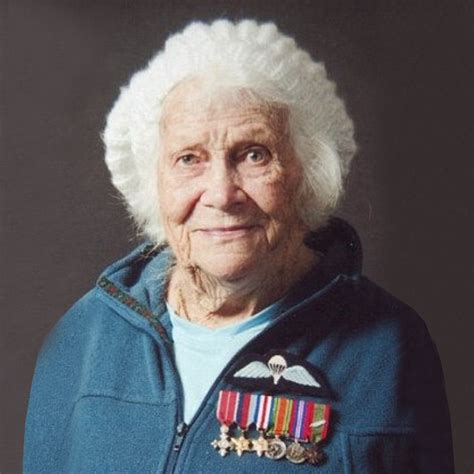
In 2014, on the 70th anniversary of D-Day, the French government honored her with the Chevalier of the Legion of Honour.
This hero passed on October 7, 2023. May she rest in peace….
☆☆☆☆
receive free email notification, when we post new articles li weke this, sign up below. Clever Journeys does & will not sell or share your information with anyone.
☆☆☆☆☆
IN GOD WE TRUST

Thanks for supporting independent true journalism with a small tip. Dodie & Jack

CLICK HERE for GREEN PASTURE BENEFITS

Use Code CLEVER10 for a 10% discount on Green Pasture products today!


☆☆☆☆☆


☆☆☆☆☆

By award-winning Texas author Cynthia Leal Massey.

See details here!



 Clever Journeys
“Blessent mon coeur / D’une langueur / Monotone.”
Arthur Symons translation: “My heart is drowned / In the slow sound / Languorous and long.”
—this was the message sent to the French Resistance by the BBC on 5 June 1944; it signaled the beginning of sabotage efforts preceding the D-Day Invasion; from a poem by Paul Verlaine (1844-1896)
The Battle of Normandy -1944
Battlefield S1/E5 – The Battle of Normandy
LikeLiked by 2 people
Thanks for sharing
LikeLiked by 2 people
Courageous, clever, and humble for the sake of others-Phyllis was a true blessing to humanity. 🙂
LikeLiked by 4 people
She was 102! And what a date to die on, the day Hamas attacked Israel. She probably never thought she was doing anything heroic. She had a personal reason, and besides, there were people all around her doing heroic things, seeing it as the right thing to do; even the only thing to do. But what a story. You can see the steady gleam in her eye even in that very aged portrait.
LikeLiked by 2 people
Great little Hero, there were a bunch of women who did the same thing, check out FANY of WW2, don’t think they make em like her anymore, or do they, RIP My Lady. oh its US Army Air Corp, not Air Force, the US Air Force did not come about until 1947
LikeLiked by 3 people
[…] Helped Make D-Day Successful […]
LikeLiked by 1 person