
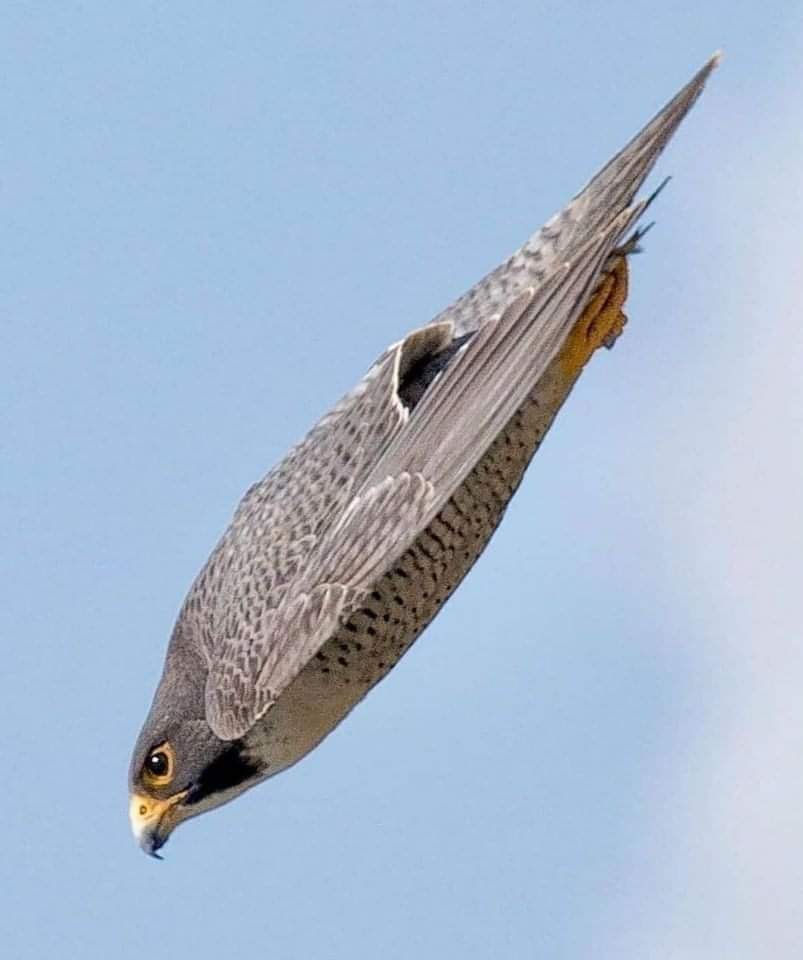
Breakneck speed!
The peregrine is renowned for its speed, reaching over 320 km/h (200 mph) during its characteristic hunting stoop (high-speed dive), making it the fastest bird in the world, as well as the fastest member of the animal kingdom. According to a National Geographic TV program, the highest measured speed of a peregrine falcon is 389 km/h (242 mph).

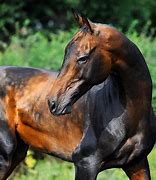
Rare Blue Roan Horse
Roan is a horse coat color pattern characterized by an even mixture of colored and white hairs on the body, while the head and “points”—lower legs, mane and tail—are mostly solid-colored. Horses with roan coats have white hairs evenly intermingled throughout any other color. The head, legs, mane and tail have fewer scattered white hairs or none at all.
The roan pattern is dominantly-inherited, and is found in many horse breeds. While the specific mutation responsible for roan has not been exactly identified, a DNA test can determine zygosity for roan in several breeds. True roan is always present at birth, though it may be hard to see until after the foal coat sheds out. The coat may lighten or darken from winter to summer, but unlike the gray coat color, which also begins with intermixed white and colored hairs, roans do not become progressively lighter in color as they age. The silvering effect of mixed white and colored hairs can create coats that look bluish or pinkish.

Here are more rare birds:
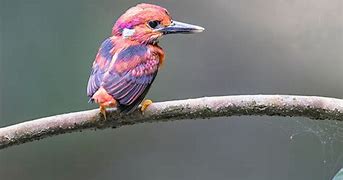


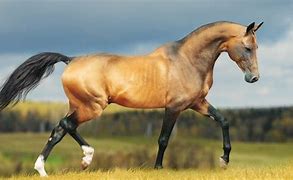
…and rare horses:

☆☆☆☆☆
IN GOD WE TRUST

Thanks for supporting independent true journalism with a small tip. Dodie & Jack
Green Pasture Here!

Use Code CLEVER10 for a 10% discount on other Green Pasture products today!


CINDY LEAL MASSEY, TEXAS AUTHOR

 Clever Journeys
My wife and I are Birders. Me, more an Observational Type, I like looking at them, and exploiting simple optics to take photos of them. She is the true Birder. She knows them by sight, knows backgrounds on them, and more.
Today, I heard something unusual. I was on the porch, trying to get warm in the sun. I called her out, pointed out the bird, and lo and behold, it’s a Parakeet. These are not indigenous to Pittsburgh, LOL. It was on the neighbor’s roof for about 10 minutes, when he came out, I told him about it. He said someone on Facebook posted losing a Parakeet in the area a week or so ago. Hopefully, they’ll be reunited.
Cedar Waxwings are rare for use to see, though they are regional. The first time we saw them, we were at a lake in North West Pennsylvania. We were impressed. Next time, I saw birds in a tree at our Pittsburgh area home, so I looked at them with Binoculars, they were Cedar Waxwings, likely on their way through. If you’re observant, there are things to see out there that are out of the ordinary.
Interesting Blog, timely in my case too.
LikeLiked by 1 person
Of the two of us, Dodie is the nuturer of birds at our home. We have two bird baths, several humming bird feeders and other bird & squirrel feeders in our back yard. From our kitchen window, she religiously keeps track. Binoculars are just steps away. I enjoy photographing them.
She also follows the different migration patterns to keep us ready. This includes butterflies (1/2 block away, is a fairly good size butterfly garden maintained by a restaurant & rental cabins).
My favorite returning bird species annually are painted buntings blue Spanish birds and the cardinals.
LikeLike