
King Creole (1958)
Elvis Presley’s film career began with great promise. Love Me Tender, Loving You, and Jailhouse Rock were phenomenal hits for the new star from Memphis. Each had the perfect amount of grit and sex appeal for the late 1950s.
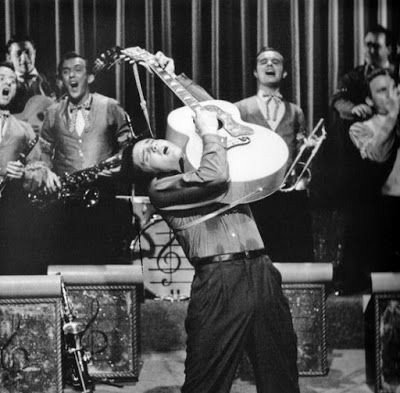
But then the Army called. His manager, Colonel Tom Parker was able to postpone Elvis’s draft induction at Fort Smith, Arkansas to allow enough time to finish King Creole.
His character died in his 1956 film debut, the Civil War-era Western Love Me Tender, causing his mother Gladys to cry, along with millions of other females at the end.
Just when everyone thought his film career had peaked with Jailhouse Rock, along came 1958’s King Creole. Most critics and Elvis himself consider it their favorite of his all his movies. It was his last before getting drafted in the Army and shipping out to Germany.
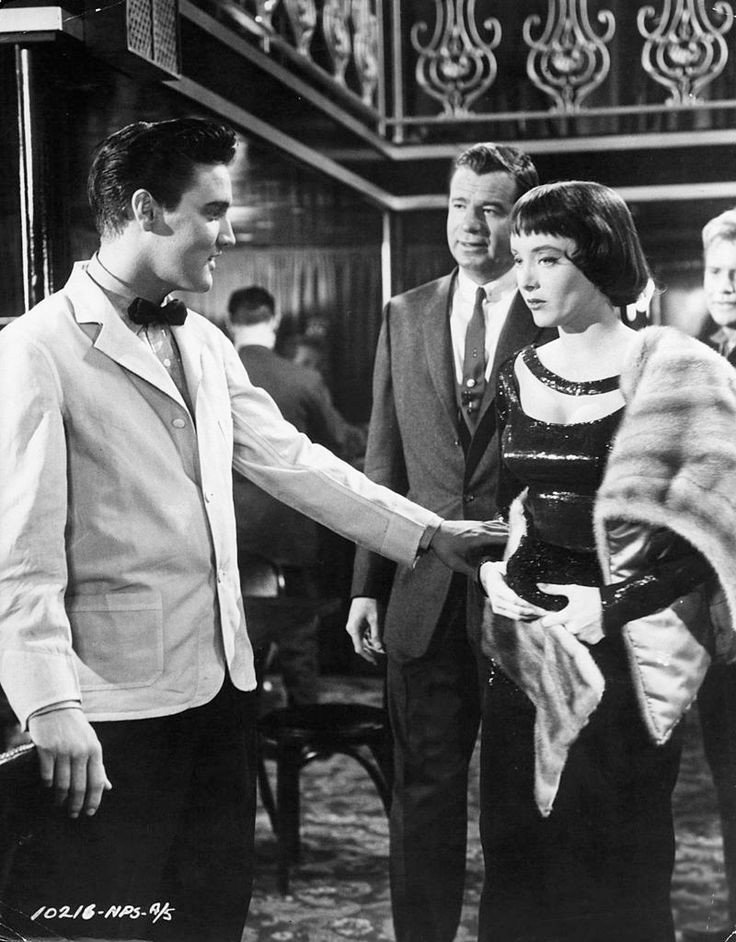
The movie’s “juvenile delinquent” theme was extremely popular in the ’50s; in fact, King Creole has a lot in common with the 1955 James Dean classic Rebel Without A Cause: A hotheaded kid keeps getting into trouble despite his best efforts, hindered by an ineffectual father not strong enough to give him the guidance he so clearly needs.
Creole was originally envisioned as a vehicle for Dean, based on Harold Robbins’ bestselling 1952 novel A Stone For Danny Fisher, about a Brooklyn boy who turns to boxing to support his family when his father can’t.
After Dean’s death, Creole was retooled for Presley, with the setting wisely moved to New Orleans’ French Quarter and Danny’s boxing changed to singing.
After Danny fails to graduate from high school for the second time, he gets a chance to sing at the nightclub where he’s a busboy, and soon becomes the pawn in a game between two club owners: the honest Charlie LeGrand (Paul Stewart) and the manipulative crime boss Maxie Fields (Walter Matthau).
As Maxie, Matthau shows how deceptively menacing he could be at this stage of his career, cruelly lending out his ruined moll, Ronnie (a pre-Addams Family Carolyn Jones), to try to entice Danny to his way of life.

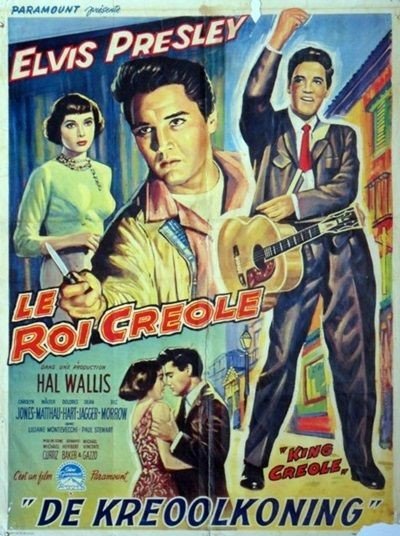
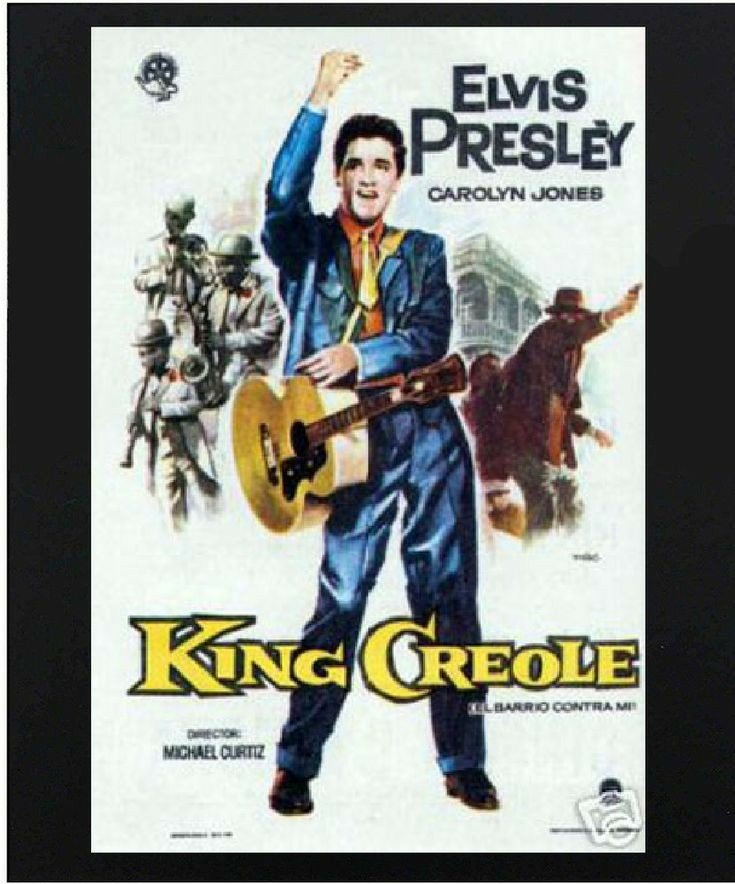

Danny’s torn between her (sample smoldering banter: “It’s a pretty piece of material. You oughta have a dress made out of it”) and good girl Nellie (future nun Dolores Hart). But his biggest struggle is between the life he wants to carve out and the more traditional life his failed father wants for him.
Director Michael Curtiz (Casablanca, Mildred Pierce) depicts the French Quarter as simultaneously picturesque and sinister: It can be a glorious bash where Danny finds success singing on Bourbon Street, or a dangerous cesspool full of shady characters, who trail him as he walks under the St. Louis Cathedral.
The film opens with the greatest Elvis Presley song nobody’s ever heard of, “Crawfish,” as Danny (aided by superb vocalist Kitty White, matching him note for note) leans off a Royal Street balcony, mimicking the street vendors who peddle their wares each morning.
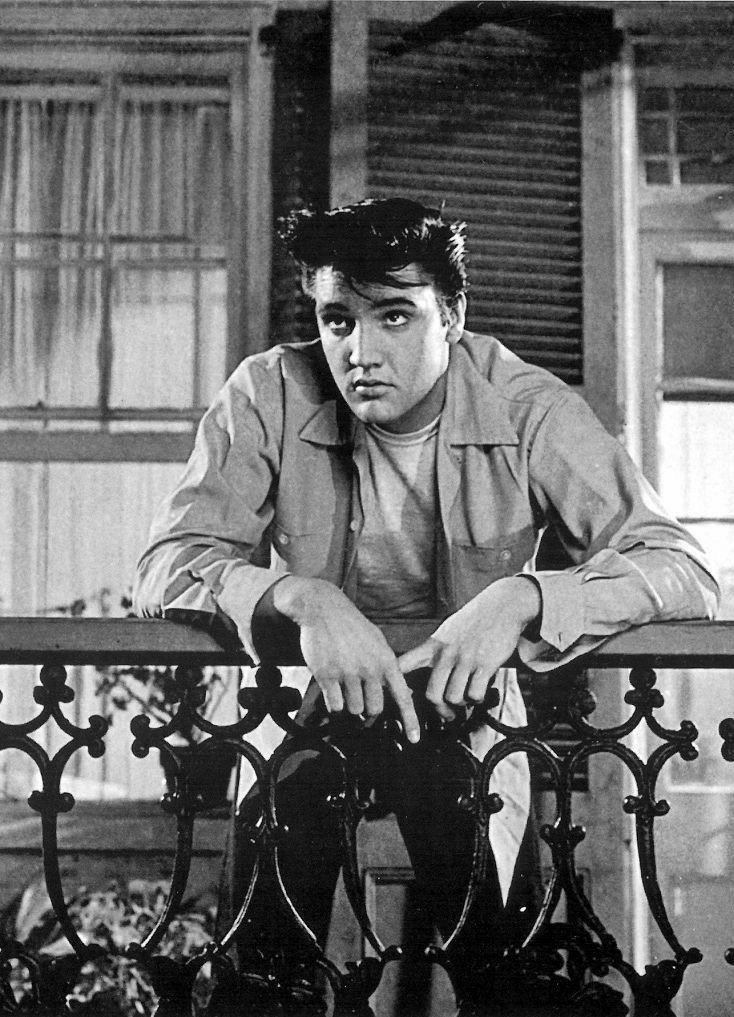
The movie’s dark shadows make Presley’s musical moments stand out even more, joyfully taking advantage of New Orleans’ musical legacy in songs like the electrifying “Trouble,” backed by Dixieland jazz musicians; the future classic “Hard Hearted Woman”; and “Dixieland Rock.”
But ultimately, it’s Presley as he portrays Danny offstage who winds up carrying the whole movie, as we have to be completely invested in Danny’s life to care about what side of the road he ends up on.
With his charismatic vulnerability, Presley sells it completely: the anguish over his father, the magnetic flirtations with both women, the fervent desire to stay out of trouble even as it follows him like the shadows on those cobblestoned streets.

Both Curtiz and Matthau predicted Presley would have a different dramatic career than the one he wound up with (Matthau called him an “instinctive actor”), forced to churn out many cookie-cutter like musicals throughout most of the 1960s.

 Clever Journeys