
Here They Are Today
From 1917 to 1918, during World War I, the trenches of France were sites of intense warfare, where soldiers endured unimaginable hardships.
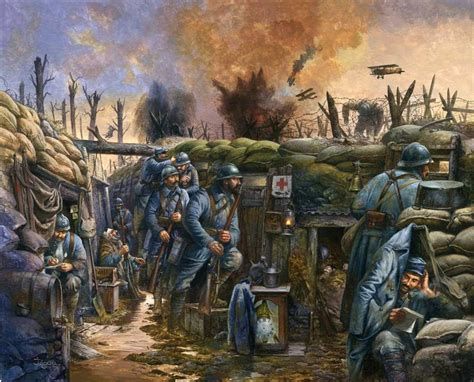
These trenches, stretching across battlefields like the Somme and Verdun, were dug to provide cover and strategic advantage but became symbols of suffering.
Life in the trenches was brutal, with constant shelling, muddy conditions, disease, and psychological trauma.
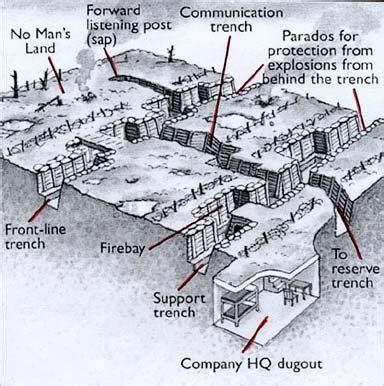
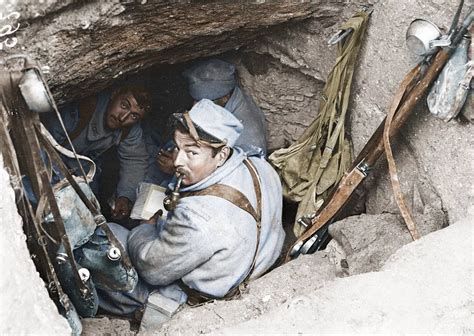
Soldiers often hid in these narrow, rat-infested ditches for weeks, enduring extreme cold, hunger, and fear. The marks of war—craters from explosions, barbed wire remnants, and abandoned bunkers—left the land scarred long after the fighting ended.

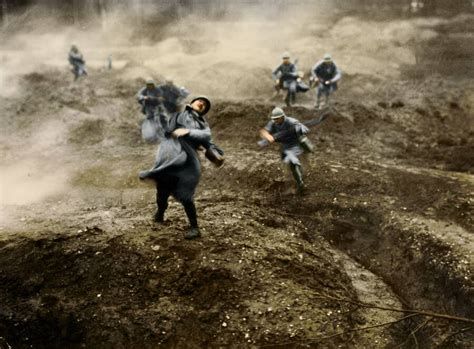
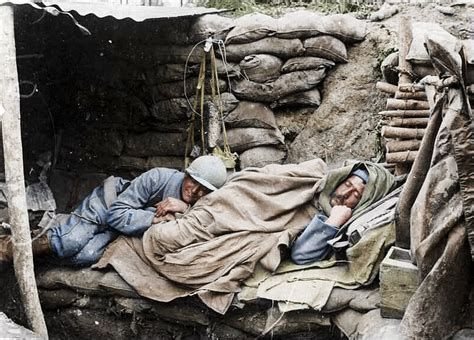
Even over a century later, the impact of World War I is still visible in France.
Many areas, especially in the “Zone Rouge,” remain uninhabitable due to unexploded ordnance and battlefield debris.
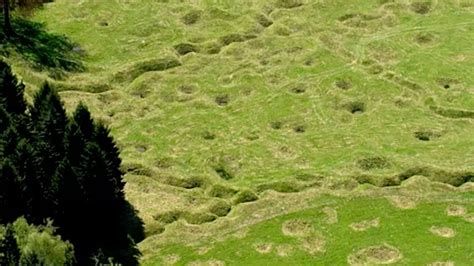
However, time and nature have slowly reclaimed the landscape. Once-ravaged fields are now covered in lush greenery, with forests and meadows growing over old battle sites.
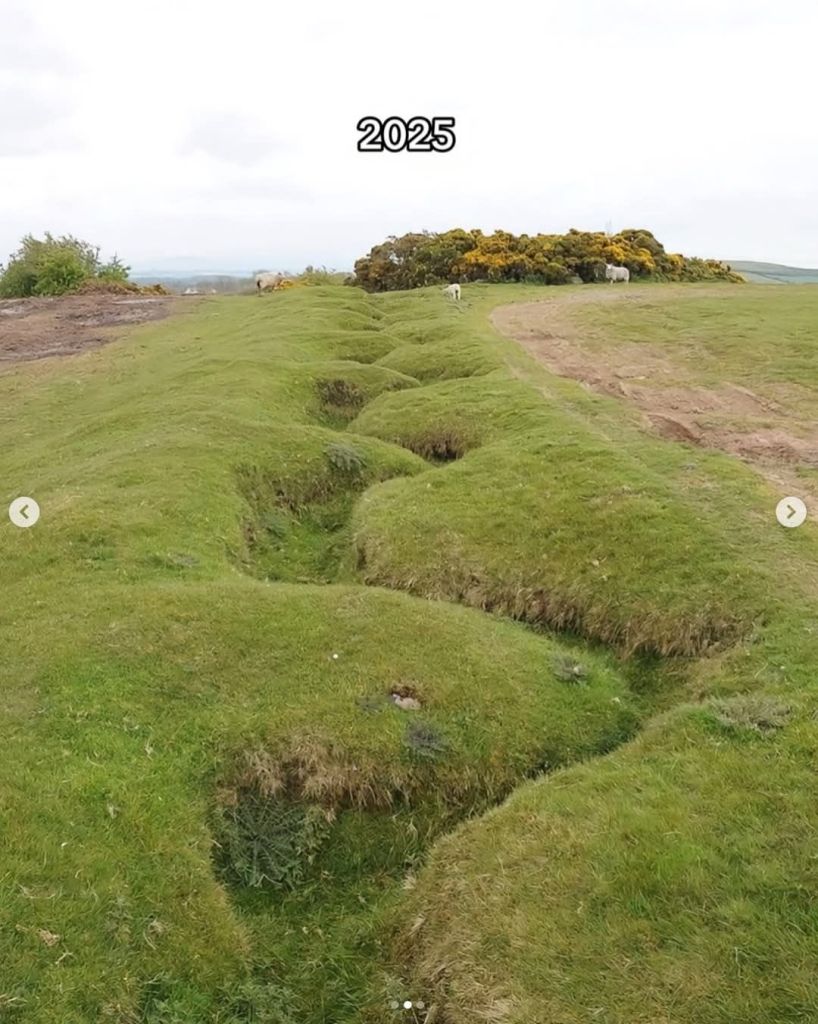
The trenches, once filled with soldiers fighting for survival, are now lined with grass and moss, creating an eerie contrast between past destruction and present tranquility. Though the war has faded into history, the land still holds silent echoes of the soldiers who once fought there.
☆☆☆☆☆
IN GOD WE TRUST


Thanks for supporting independent true journalism with a small tip. Dodie & Jack


Use Code CLEVER10 for a 10% discount on Green Pasture products today!
CLICK HERE for INFO on GREEN PASTURE BENEFITS



CINDY LEAL MASSEY, TEXAS AUTHOR

CleverJourneys is on Gab.com

 Clever Journeys
Thanks for the update on WWI trenches and tunnels in France. As the decades unfold, the horror fades and refresher posts such as this keep our human penchant for conflict in check. History has taken a back seat in today’s society and it seems to have changed like a chameleon. 🙂
LikeLiked by 2 people
My grandfather fought in those trenches at the battle of Somme. He lost a few friends and got gassed along the way. He didn’t talk much of those times until the last few months of his life, then he had a long conversation with me on the horrors of war and how it effected him. No one knew that he likely suffered from PTSD, a condition not known to doctors. That talk scared the liver out of me, and I believe that’s what he intended. I’ve written about his experiences a few times, to honor him.
LikeLiked by 5 people
So very interesting. Some of my favorite memories are sitting on the front porch swing at my grandfather’s (in Abilene & later in Menard) with him telling me his WWII Navy Bees stories.
LikeLiked by 2 people
I had a great uncle, Eugene Cruise, receive a battlefield commission near Sedan in northern France back in November 1918. He was in the Rainbow Division. He was gassed during the war. He died prematurely in 1934.
First World War – Battle of the Somme
The First World War ‘Battle Of The Somme’ like you’ve never seen before: A.I. enhanced and in color!
WWI Footage – Meuse-Argonne Offensive, 1918
WWI Footage // Colorized & HD Restoration – Meuse-Argonne Offensive, 1918 – YouTube
LikeLiked by 2 people
Wow. Very interesting.
LikeLiked by 2 people
Adams County Free Press
October 18, 1934
Page 1
Eugene A. Cruise Died In Omaha Last Monday
“Many friends of the Cruise family in this community were saddened Monday when word reached here that Eugene A. Cruise, 51, who had been an appraiser for the Omaha Federal Land Bank since war days, died in Omaha Monday, after a lingering illness from the effects of a war time gas attack. Because of ill health, Mr. Cruise was forced to retire from active work last June. He held the record of having appraised more land than any other worker in the eighth district and was well known in Iowa, Nebraska, South Dakota, and Wyoming, which was his territory.
“Mr. Cruise resided on a farm near Massena when the World War came on. He was among the first to offer his services to his country and enlisted at Corning in Company “K” which was one of the first units of the Rainbow Division to reach the front lines. In the thick of battle, his superiors quickly recognized his ability and called him from the front, offering him a commission, but Gene declined the promotion and remained at the front with his unit as a sergeant. Later, however, he was commissioned a lieutenant and cited for bravery.”
_____
I knew a relative who was a little boy back in the early 1930s. His uncle, Eugene Cruise, stayed overnight at his parents’ place in southern Iowa. He remembers his uncle Eugene sitting on his bed struggling and gasping for air before he went to bed (because his lungs were seared from a gas attack during WWI). While he was in the trenches in northern France, Eugene was probably gassed with phosgene or mustard gas by the Germans.
LikeLiked by 2 people
I like that they are still being thought of today. Thanks.
LikeLiked by 2 people
Wow. That scarred land is eloquent.
LikeLiked by 2 people
Loved that term, “eloquent” in reference to the land.
LikeLiked by 1 person
The land does speak. I’ve never seen a photo that showed the suffering better.
LikeLiked by 2 people